
Attempting to access your email, online bank, streaming service, or work portal only to be blocked by a full-screen warning stating “Your Connection Is Not Private” can be frustrating. This security warning—often accompanied by error codes like NET::ERR_CERT_AUTHORITY_INVALID or SSL_ERROR_BAD_CERT_DOMAIN—is your web browser’s way of protecting your sensitive credentials from potential interception.
While this warning serves an essential security function, it does not always mean a malicious hacker is watching. Frequently, local browser glitches, misconfigured device settings, or temporary server updates cause these security flags. At Easy Login Hub, we provide clear login guides and technical walkthroughs to help users troubleshoot common login problems and regain safe access to their online accounts.
Disclaimer: Easy Login Hub is an independent informational platform providing general technical guidance and digital security education. Easy Login Hub is not affiliated with, sponsored by, or endorsed by any third-party services, software providers, or brands mentioned in this guide.
Understanding the “Your Connection Is Not Private” Warning
When you navigate to an account sign-in page, your browser establishes an encrypted session with the server hosting that platform using Secure Sockets Layer (SSL) or Transport Layer Security (TLS) protocols. This encryption ensures that your username, password, and private data cannot be read by third parties while in transit.
If your browser cannot verify the cryptographic certificate presented by the website, or if your device is configured in a way that interferes with the verification process, the browser halts the connection and displays the privacy warning. Entering password information on an unencrypted or improperly verified connection leaves your credentials vulnerable to “man-in-the-middle” (MitM) attacks.
Step-by-Step Troubleshooting Guide
Before bypassing any security warning, follow these sequential troubleshooting steps to identify whether the issue lies on your device, network, or the login portal itself.
Step 1: Reload the Page and Verify the Web Address
Occasionally, network glitches or temporary web server handshakes can trigger a false positive. Start with the simplest fix:
- Refresh the browser: Hard refresh the page by pressing
Ctrl + F5(Windows) orCmd + Shift + R(Mac). - Check the URL: Double-check the web address for typos. Attackers often register web addresses identical to legitimate login portals (a tactic known as typosquatting). Ensure the address begins with
https://rather than unencryptedhttp://.
Step 2: Check Your Device’s Date and Time Settings
SSL/TLS security certificates have strict validity periods with precise issue and expiration dates. If your computer or mobile device’s system clock is set incorrectly, your browser may evaluate a valid certificate as expired or not yet valid.
- Windows: Go to Settings > Time & Language > Date & time. Enable “Set time automatically” and “Set time zone automatically.”
- macOS: Go to System Settings > General > Date & Time, and toggle on “Set time and date automatically.”
- Android / iOS: Open Settings > General / System > Date & Time and turn on automatic time synchronization.
After adjusting your system time, restart your browser and try loading the login page again.
Step 3: Test Access in Incognito / Private Browsing Mode
Browser extensions, corrupt cache files, or bad cookie data can corrupt your secure connection process. Opening an Incognito or Private Window loads the web page without active third-party extensions or cached session data.
- Press
Ctrl + Shift + N(Chrome/Edge) orCtrl + Shift + P(Firefox) to launch a private window. - Navigate to the login portal. If the login page loads normally without any SSL warnings, an installed browser extension or corrupted cache is likely causing the error.
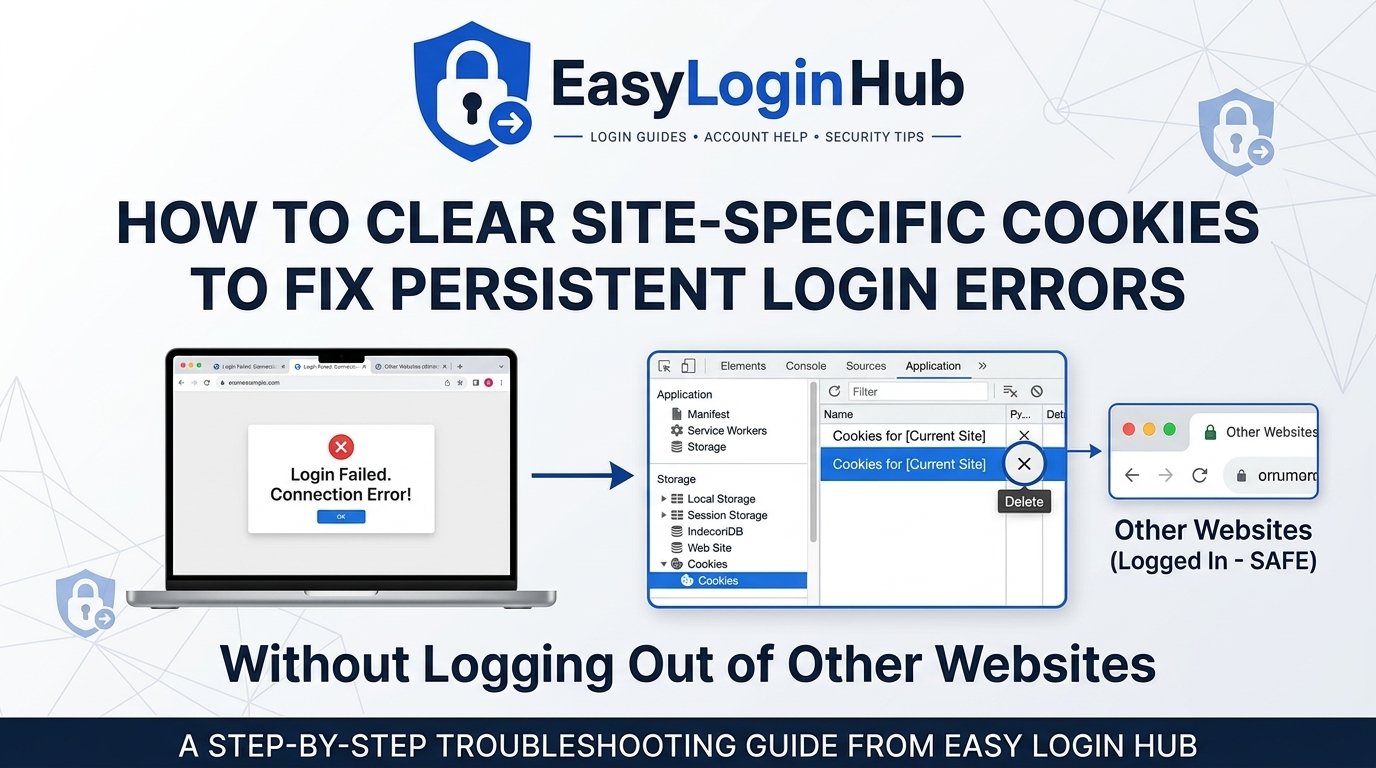
Step 4: Clear Cache, Cookies, and Browser SSL State
If private browsing resolves the error, clearing your standard browser data will typically fix the problem permanently.
- Clear Browser Data: In your browser settings, clear your browsing history, cached images and files, and site cookies.
- Clear SSL State (Windows): Search for Internet Options in the Windows search bar, go to the Content tab, and click Clear SSL State. This forces Windows to clear cached cryptographic certificates.
Step 5: Inspect Public Wi-Fi and Captive Portals
Connecting to public Wi-Fi networks in coffee shops, airports, or hotels is one of the most common triggers for the “Connection Is Not Private” error. Public networks frequently use “captive portals”—landing pages that require you to accept terms of service before granting internet access.
If you attempt to access an encrypted https:// account login page before completing the captive portal sign-in, your browser blocks the connection for safety. To resolve this:
- Disconnect and reconnect to the Wi-Fi network.
- Try visiting a non-sensitive, unencrypted page (such as
http://example.com) to force the Wi-Fi portal log-in screen to appear. - Complete the portal acceptance process before attempting to log into your personal accounts.
Step 6: Review Antivirus and VPN Configurations
Security software and Virtual Private Networks (VPNs) protect your device by scanning internet traffic. Some third-party antivirus suites feature “HTTPS Scanning” or “SSL Interception,” which replaces web certificates with their own safety certificates. If your browser does not trust your antivirus software’s internal certificate, it will throw a private connection error.
- Temporarily disable your VPN: Connect directly through your standard internet provider to see if the VPN node is causing the SSL conflict.
- Check Antivirus Settings: Look for features labeled “SSL/TLS Scanning,” “Web Protection,” or “HTTPS Inspection” inside your antivirus application, and temporarily toggle them off to test access.
When Is the Error Server-Side?
If you have completed all client-side troubleshooting steps and the security warning persists across multiple devices and networks, the issue may stem from the platform provider’s infrastructure. Common server-side causes include:
- Expired SSL Certificate: The site administrator forgot to renew their cryptographic certificate.
- Domain Mismatch: The certificate was issued for a specific sub-domain that does not match the exact address of the login portal.
- Untrusted Certificate Authority: The server uses a certificate issued by an authority no longer recognized by modern web browsers.
Crucial Security Rule: Never click “Proceed Anyway” or override security warnings on an account login page when connected to public networks or when dealing with sensitive services like banking, email, or corporate dashboards. Entering your credentials on an unverified connection exposes your password to potential theft.
Finding Additional Account Access Solutions
Navigating portal issues, locked screens, and forgotten passwords requires reliable technical information. Whether you need step-by-step assistance restoring access to your favorite social platform, recovering an old email address, or safely handling security alerts, reviewing a comprehensive Login Guide helps clarify each phase of the process.
For more troubleshooting guides, account access walk-throughs, and safe online sign-in practices, explore the resource library at EasyLoginHub. Our goal is to provide clear information that helps you manage your digital accounts securely and effectively.
Frequently Asked Questions
Is it safe to click “Proceed to Website (Unsafe)”?
It is generally unsafe to bypass this warning on any page where you enter passwords, payment details, or personal data. Bypassing the security shield means your data will be transmitted without valid encryption, making it vulnerable to interception.
Why does this SSL error only happen on one specific website?
If the error affects only a single login page while all other websites load normally, the issue is almost certainly server-side. The domain owner may have an expired certificate, an incorrect SSL configuration, or an active server migration.
Can a outdated web browser cause connection errors?
Yes. Web browsers update their built-in list of trusted Root Certificate Authorities regularly. Operating an outdated browser version may cause it to mark valid, modern security certificates as untrusted.
Where can I get expert account recovery assistance?
If security errors or lockouts prevent you from reaching your account, visit Easy Login Hub to access verified guides detailing password resets, service support contacts, and account recovery assistance strategies.