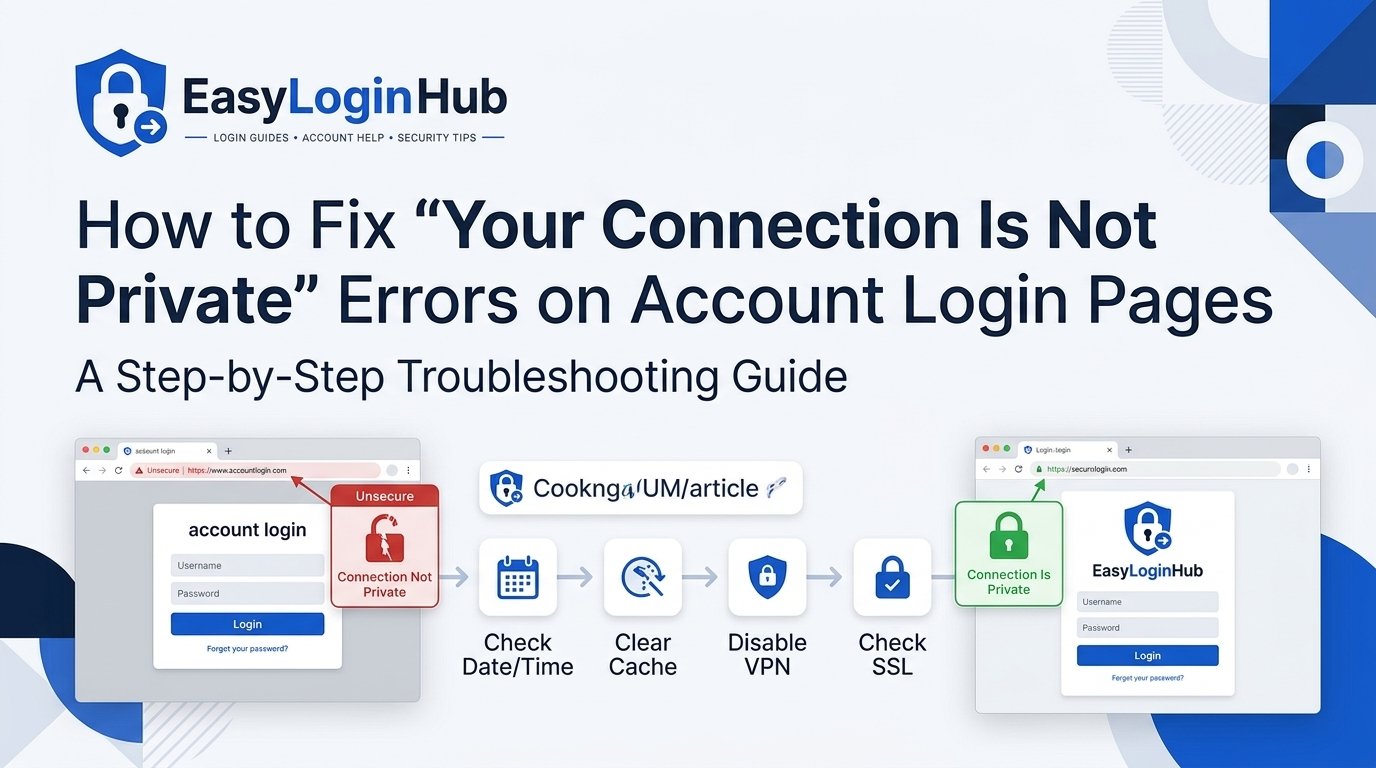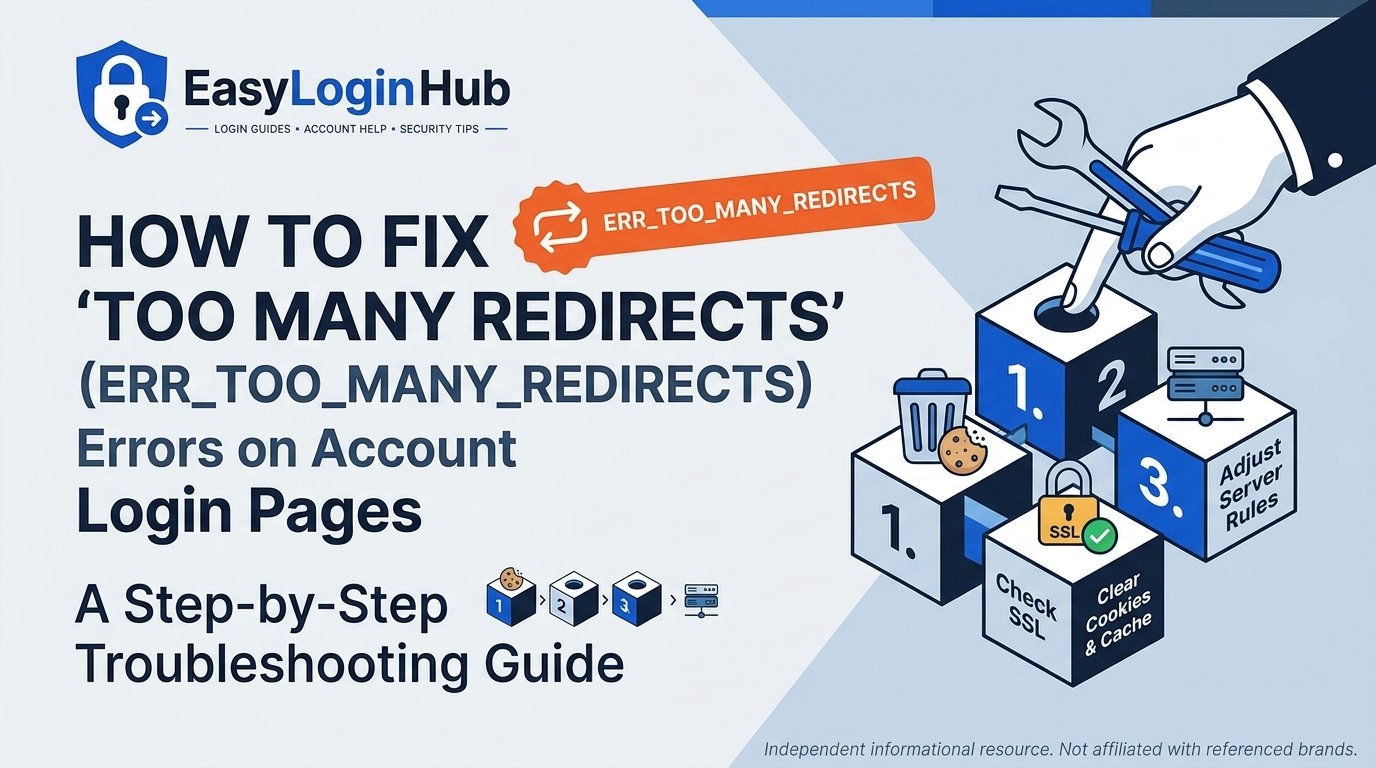

Few digital frustrations are as irritating as getting stuck in a persistent login loop. You navigate to a website you use daily, enter the correct username and password, press sign-in, and… nothing happens. Or worse, the page reloads back to the login screen, displays a cryptically vague session error, or insists your account is logged in when it clearly is not.
When you seek standard technical support to troubleshoot common login problems, the default advice is usually to clear your browser’s history, cache, and cookies. While this nuclear option often solves the issue, it carries a heavy penalty: it wipes out session data across the entire web. Suddenly, you are logged out of your email, streaming platforms, project management tools, and online banking, forcing you to complete multi-factor authentication requests across dozens of tabs.
Fortunately, there is a far more precise solution. By learning how to clear site-specific cookies, you can resolve stubborn authentication bugs for a single troublesome domain while leaving the rest of your active browser sessions completely untouched. In this guide from Easy Login Hub, we break down step-by-step instructions for every major desktop and mobile browser.
Disclaimer: EasyLoginHub is an independent informational resource providing technical guides and digital troubleshooting advice. We are not affiliated with, endorsed by, or connected to any browser developer or third-party web service mentioned in our guides.
Why Do Cookies Cause Persistent Login Errors?
To understand why clearing a single site’s cookies works, it helps to understand what browser cookies actually do. When you log into a service, the server sends a tiny piece of data—a session cookie—to your browser. This token acts as a digital pass, telling the server who you are every time you load a new page without requiring you to re-enter your password.
Login glitches occur when these digital tokens become corrupted or out of sync. Common causes include:
- Server-Side Updates: The website updates its authentication architecture, rendering your saved browser session cookie obsolete or invalid.
- Expired Tokens: The session key has expired on the web server, but your browser continues sending the stale cookie data.
- Conflicting Multi-Account Sessions: If you switch between personal and work accounts on the same site, overlapping cookie files can cause endless redirect loops.
- Browser Crashes or Network Drops: Interrupted connections while a cookie is being written can leave partial, corrupted data on your local system.
When these issues arise, your browser keeps presenting a bad credential pass to the site. Removing that specific set of data forces the site to issue a completely clean session token upon your next login attempt.
Method 1: Google Chrome (Desktop)
Google Chrome provides two ways to remove cookies for a single domain: a quick method using the address bar and a detailed method through settings.
Quick Method (Address Bar Lock Icon)
- Navigate to the domain that is giving you login errors.
- Click the Tune icon or Padlock icon located on the far-left side of the address bar (next to the URL).
- Select Cookies and site data from the dropdown menu.
- Click Manage on-device site data.
- Click the trash can icon next to the stored data for that domain, then click Done.
- Reload the webpage and attempt to log in again.
Detailed Settings Method
- Click the three vertical dots in the top-right corner of Chrome and select Settings.
- In the left-hand navigation panel, click Privacy and security.
- Select Third-party cookies (or Site settings depending on your Chrome build).
- Click See all site data and permissions.
- Type the name of the problematic website into the search box at the top right.
- Click the trash can icon next to the domain name, then confirm by clicking Delete.
Method 2: Mozilla Firefox (Desktop)
Firefox makes domain-level troubleshooting straightforward directly from the active tab.
Address Bar Method
- Open the website experiencing login issues.
- Click the Padlock icon to the left of the URL in the address bar.
- Select Clear cookies and site data…
- A pop-up box will appear displaying the current domain. Ensure the site is selected and click Remove.
- Refresh the page.
Privacy Settings Method
- Click the menu button (three horizontal lines) in the top-right corner and choose Settings.
- Select Privacy & Security from the left sidebar.
- Scroll down to the Cookies and Site Data section.
- Click the Manage Data… button.
- In the search field, type the name of the site you want to fix.
- Select the domain from the list and click Remove Selected.
- Click Save Changes and confirm the action.
Method 3: Microsoft Edge (Desktop)
Because Microsoft Edge shares the Chromium engine, its domain cookie management closely mirrors Chrome’s process.
- Visit the site where you are encountering session errors.
- Click the Lock icon or Site Information icon immediately to the left of the URL bar.
- Click Cookies.
- A window will appear listing all cookies loaded by that site. Expand the main domain folder.
- Select the individual cookie sub-folders or the root domain, then click Remove.
- Click Done and refresh your browser.
Method 4: Apple Safari (Mac)
Safari handles cookies slightly differently, requiring access through its main preferences menu rather than the address bar.
- Open Safari on your Mac.
- Click Safari in the top menu bar and select Settings… (or Preferences… on older macOS versions).
- Navigate to the Privacy tab.
- Click the Manage Website Data… button.
- Use the search box in the top-right corner to locate the specific website domain.
- Highlight the domain from the search results and click Remove at the bottom of the window.
- Click Done, close the settings panel, and reload the web page.
Mobile Browsers: Android and iOS
Managing cookies for a single website on mobile operating systems can be slightly more constrained due to mobile UI limitations, but options exist depending on your browser:
- Chrome on Android: Open the problematic site > tap the Page Info/Lock icon near the address bar > tap Cookies and site data > tap the trash icon next to stored data.
- Safari on iOS (iPhone/iPad): Open iOS Settings > scroll down and select Safari > tap Advanced at the very bottom > select Website Data > search for the domain > swipe left on the domain name and tap Delete.
What to Do After Clearing Site-Specific Cookies
Once you have isolated and deleted the cookies for the broken domain, take the following steps to complete the reset process:
- Hard Refresh the Page: Force your browser to download fresh scripts by pressing
Ctrl + F5(Windows) orCmd + Shift + R(Mac). - Re-enter Credentials Carefully: Ensure autofill isn’t submitting outdated credentials. If you are unsure of your password, refer to detailed login guides or use official password recovery procedures before locking yourself out.
- Check Browser Extensions: If deleting cookies does not clear the error, temporarily disable ad-blockers, privacy extensions, or VPNs. These tools occasionally intercept authentication scripts or block essential security tokens required by modern web apps.
- Verify Incognito Mode: Test logging in via a Private/Incognito window. If it works there, an extension or cached local file—rather than the site itself—is likely causing the conflict.
For users who continue to face access barrier issues, exploring specialized account recovery assistance articles can help rule out account suspensions, server outages, or security lockouts.
Frequently Asked Questions
Will clearing site cookies delete my saved passwords?
No. Your saved passwords are stored separately in your browser’s integrated credential manager (or an external password management extension). Clearing cookies only deletes active session tokens, site preferences, and locally cached browser state files.
How is clearing cookies different from clearing the browser cache?
Cookies store user identity tokens, site preferences, and tracking states. The browser cache stores media assets like images, stylesheets, and scripts to help pages load faster. While bad cache files can break page layouts, bad cookies specifically interrupt user authentication and active user sessions.
Why do I keep getting logged out even after clearing my cookies?
If login issues recur frequently after clearing cookies, check whether your browser is set to automatically clear data on exit, verify that your system clock is set to automatic time sync (out-of-sync system times invalidate security tokens), or ensure your third-party cookie blocking settings aren’t overly strict for that domain.
Final Thoughts
Clearing site-specific cookies is a surgical troubleshooting technique that every web user should master. Instead of blowing away your entire browsing history and logging out of dozens of essential services, removing data for a single domain allows you to fix login loops efficiently with minimal disruption to your daily routine.
For more step-by-step technical advice, account setup instructions, and troubleshooting resources, visit Easy Login Hub to browse our complete collection of technical tips and standard Login Guide tutorials.