
A Microsoft account serves as your single gateway to a wide universe of products and services. Whether you want to check your email on Outlook, access cloud storage through OneDrive, collaborate via Microsoft 365, enjoy games on Xbox, or sign in to your Windows device, a single set of credentials connects everything. Navigating your online account access quickly and securely keeps your digital life organized and productive.
In this comprehensive guide, we will walk you through the entire login process across different devices, explain how to create a new account, and provide step-by-step solutions for common login problems like forgotten passwords and account lockouts.
What Is a Microsoft Account?
A Microsoft account is an all-in-one user profile created with an email address and password. It allows you to seamlessly switch between various tools without needing separate credentials for each application. When you sign in to one service, your preferences, subscriptions, files, and personal settings sync across all your connected devices.
Services linked to your Microsoft account include:
- Outlook.com and Hotmail: Personal email, calendar, and contacts.
- Microsoft 365 (formerly Office): Word, Excel, PowerPoint, and OneNote.
- OneDrive: Secure cloud file storage and media backup.
- Xbox and Xbox Game Pass: Gaming profiles, achievements, and digital purchases.
- Windows OS: Settings synchronization, Microsoft Store downloads, and device security.
- Skype and Teams: Personal communication tools for voice, video, and chat.
Prerequisites for Signing In
Before attempting to sign in to your Microsoft account, ensure you have the following information and tools ready:
- Your Sign-In Identifier: This can be your registered email address (ending in @outlook.com, @hotmail.com, @live.com, or a third-party email like Gmail), a verified phone number, or a Skype name.
- Your Password: The secure password associated with your account, or access to your Microsoft Authenticator app if you use passwordless sign-in.
- Access to Verification Methods: Your registered mobile phone or backup email address, which is useful if two-step verification is enabled.
- A Stable Internet Connection: Required to verify credentials securely with Microsoft servers.
How to Login to Microsoft Account on a Web Browser
Logging into your account through a web browser gives you full control over your settings, security details, and subscription management. Follow these simple steps:
Step 1: Navigate to the Sign-In Page
Open your preferred web browser (such as Microsoft Edge, Google Chrome, Mozilla Firefox, or Safari) and go to the official Microsoft account sign-in page. You can usually find this by entering account.microsoft.com into your browser’s address bar or selecting the sign-in button on any official Microsoft site.
Step 2: Enter Your Account Name
In the main input field, type your email address, registered phone number, or Skype name. Double-check for typos or missing characters, then click Next.
Step 3: Input Your Password
Type your password into the designated field. Passwords are case-sensitive, so ensure your Caps Lock key is turned off. If you are using a secure, private device, you can proceed directly to the next step. If you use a passwordless setup, you may receive a prompt on your phone to approve the sign-in instead.
Step 4: Complete Two-Step Verification (If Enabled)
If you have enabled two-factor authentication for extra protection, Microsoft will send a security code to your backup phone number or alternative email address. Alternatively, open your authenticator app to retrieve or approve the code, then enter it into the prompt.
Step 5: Stay Signed In (Optional)
After successfully entering your details, Microsoft may ask, “Stay signed in?” Selecting Yes reduces the frequency of sign-in prompts on that specific device and browser. Important: Only choose “Yes” on personal, secure computers. Always select “No” on public or shared devices to protect your privacy.
How to Sign In to Microsoft Account on Mobile Devices
You can access your Microsoft account on smartphones and tablets running iOS or Android, either through individual apps or via a mobile browser.
Using Individual Apps (Outlook, OneDrive, Office)
- Download and install the official Microsoft app from the Apple App Store or Google Play Store.
- Open the app and tap the Sign In button on the welcome screen.
- Enter your associated email address, phone number, or Skype ID, then tap Next.
- Enter your password and complete any security verification prompts.
- Once authenticated, your account will sync across that application, and often across other installed Microsoft apps automatically.
Adding a Microsoft Account to Device Settings
You can also connect your account directly to your mobile operating system to sync contacts, calendars, and emails automatically:
- On Android: Go to Settings > Accounts > Add Account, select Outlook or Exchange, and follow the sign-in prompts.
- On iOS: Open Settings > Mail > Accounts > Add Account, select Outlook.com, and enter your account credentials.
How to Sign Up for a New Microsoft Account
If you do not already have an account, creating one is simple and free. Here is how to complete the sign-up process:
- Go to the official Microsoft account sign-in portal and click on Create one! below the sign-in box.
- Choose your preferred username option: enter an existing third-party email address (like Gmail or Yahoo) or click Get a new email address to create a new
@outlook.comor@hotmail.comhandle. - Create a strong, unique password containing a mix of upper and lower-case letters, numbers, and symbols.
- Provide your basic details, including your name, birthdate, and region.
- Complete the security verification puzzle (CAPTCHA) to confirm you are a human.
- Verify your email address or phone number using the confirmation code sent to you.
Troubleshooting Common Microsoft Login Problems
Experiencing sign-in issues can be frustrating, but most login problems can be resolved with a few standard troubleshooting steps.
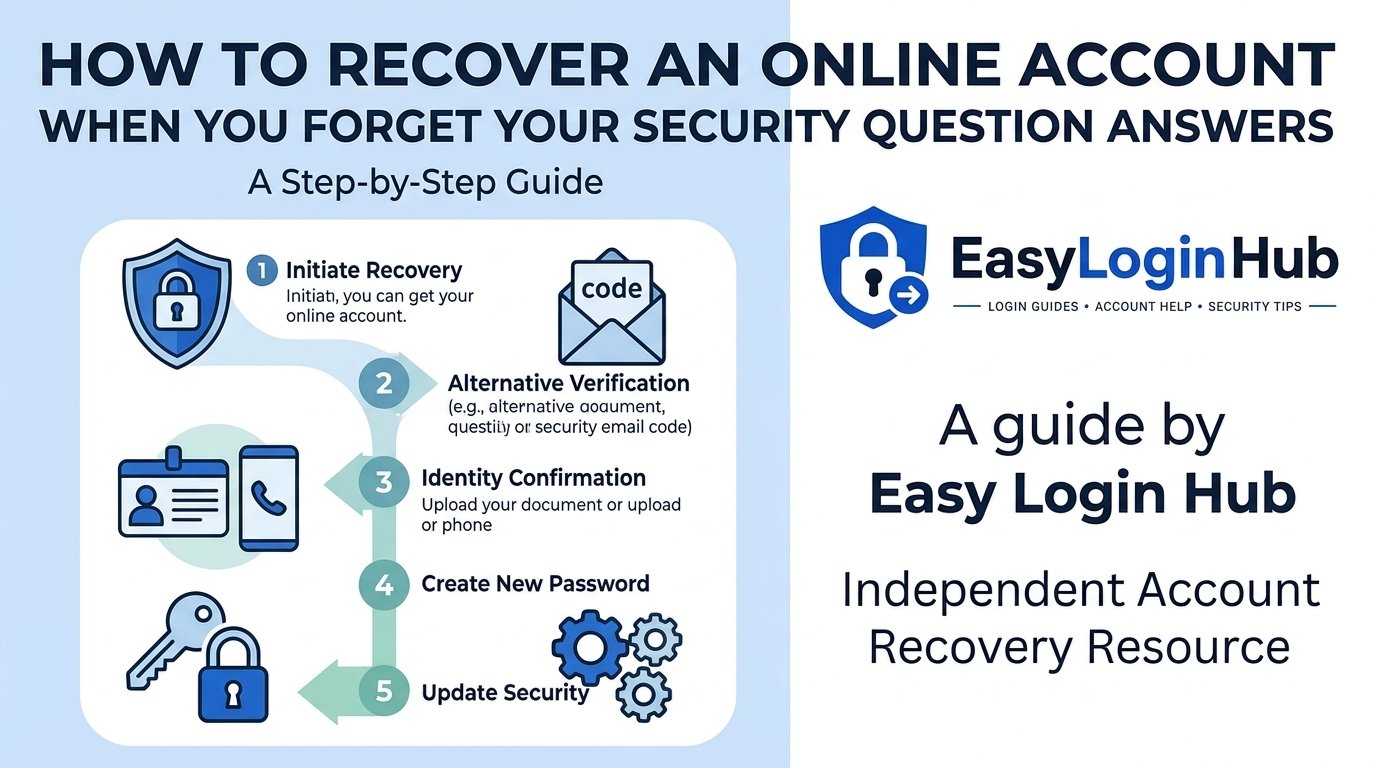
1. How to Reset a Forgot Password
If you cannot remember your password, follow these account recovery steps:
- On the main sign-in page, enter your username and click Next.
- Click the Forgot password? link below the password entry box.
- Select your preferred security option to receive a verification code (such as your recovery email or phone number).
- Enter the partial email address or the last four digits of your phone number if requested for security validation.
- Retrieve the verification code from your email or text messages and enter it on the screen.
- Create a new password that meets security requirements and confirm it to regain online account access.
2. You Forgot Your Username or Email Address
If you cannot remember the specific email address associated with your Microsoft account:
- Visit the Microsoft account sign-in page and click Sign-in options.
- Select Forgot my username.
- Enter an alternate security phone number or email address associated with your profile.
- Enter the code sent to your alternate device. Microsoft will display a list of usernames linked to that security information with parts masked for privacy.
3. Account Is Locked or Suspended
Microsoft may temporarily lock an account if unusual activity or a potential policy violation is detected. To unlock your account:
- Attempt to sign in as usual. You will see a notification stating that your account is locked.
- Click Next to request a security code sent to any valid phone number (it does not have to be your registered phone number).
- Enter the verification code received via text message to unlock your account access.
4. Verification Code Not Received
If you are not receiving two-step verification codes:
- Check your email’s spam or junk mail folders.
- Verify that your phone signal is stable and capable of receiving text messages or phone calls.
- Ensure your carrier is not blocking messages from short-code sender numbers.
- Try using an alternative verification option if available on the prompt screen.
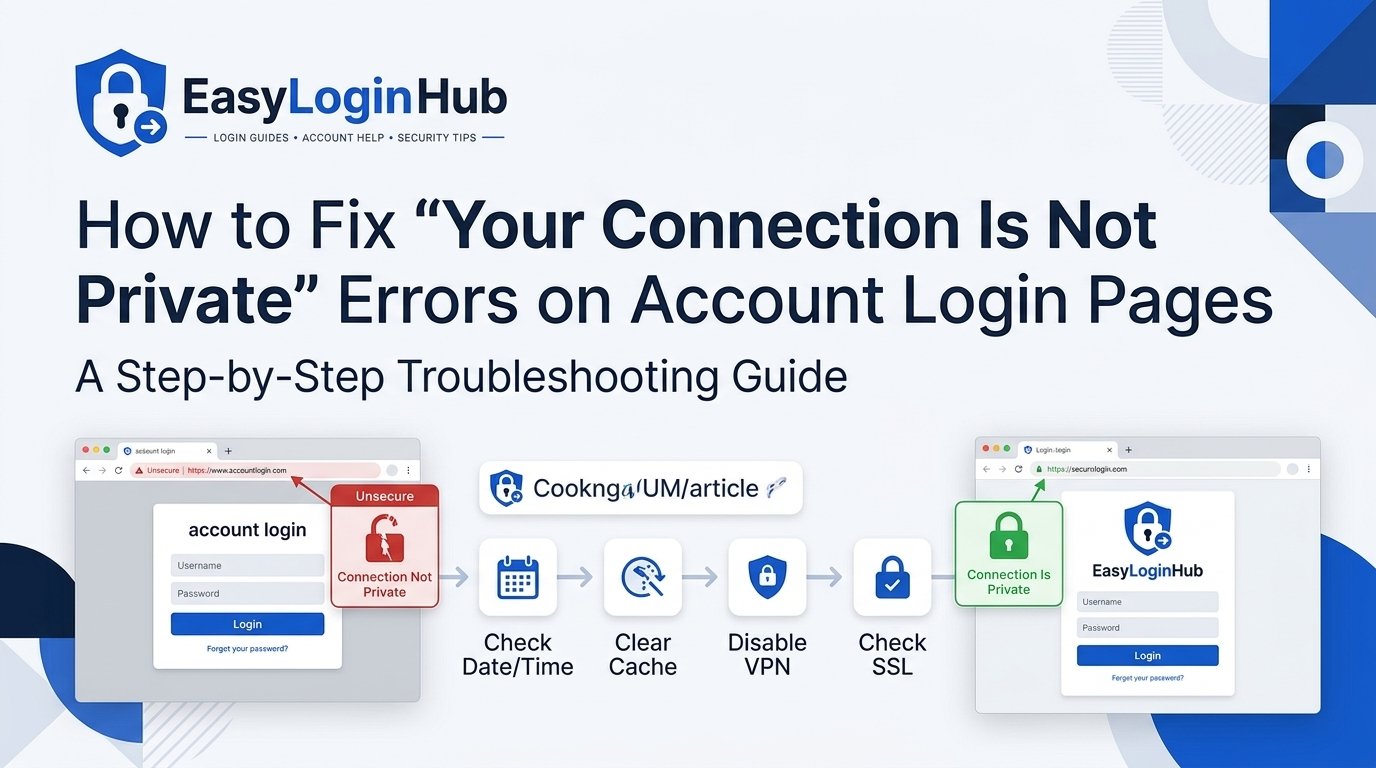
5. Web Browser and Cache Conflicts
Browser settings can sometimes interfere with sign-in sessions:
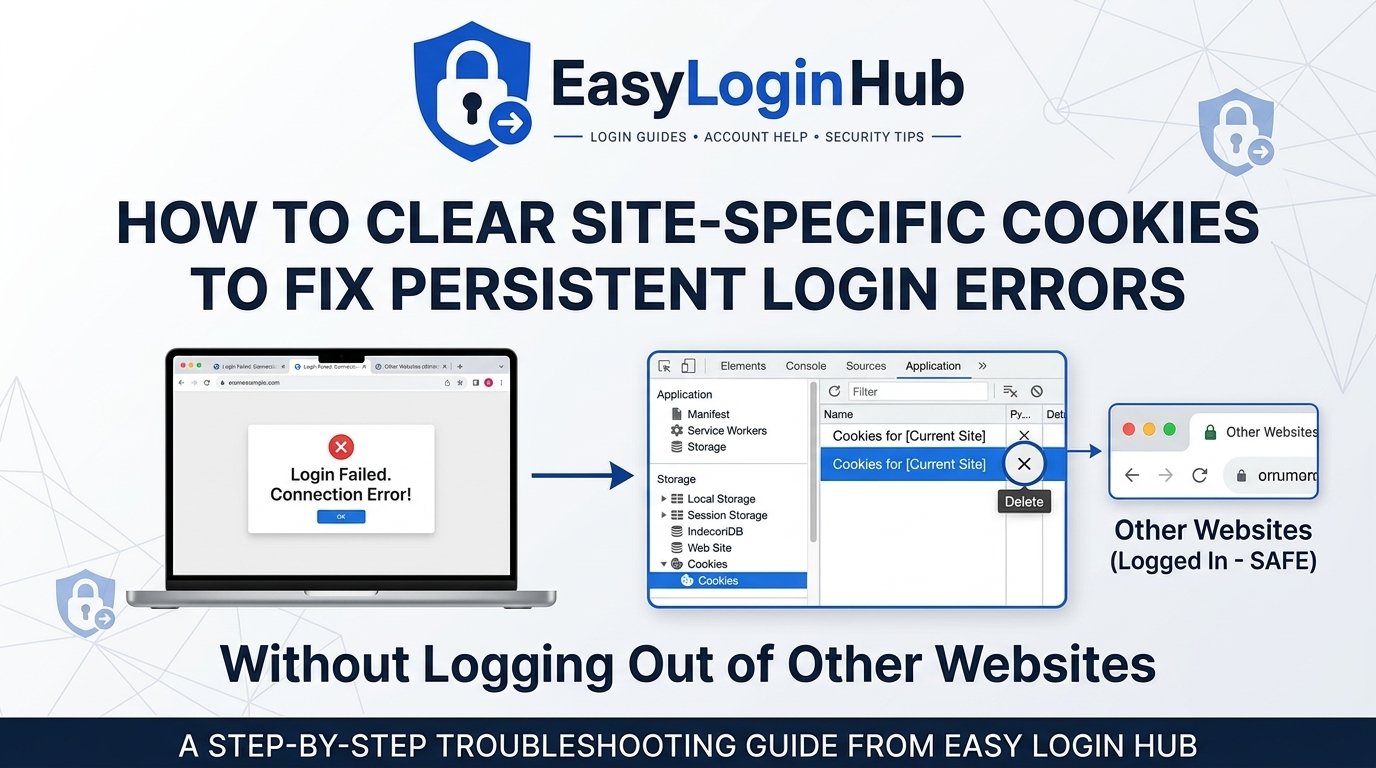
- Clear your web browser’s cache, cookies, and browsing history.
- Try logging in using a private browsing window (Incognito mode).
- Temporarily disable browser extensions or ad blockers that might block identity scripts.
Best Practices for Microsoft Account Security
Protecting your online account access is vital to safeguard personal data, email communications, stored files, and billing details. Consider applying these simple security habits:
Enable Two-Step Verification
Two-step verification adds an extra layer of defense by requiring two forms of identity check before granting access. Even if someone discovers your password, they will be unable to log in without access to your secondary verification tool.
Use the Microsoft Authenticator App
The free Microsoft Authenticator app offers a convenient, secure way to sign in. Instead of typing passwords, you receive a push notification on your mobile phone to approve or deny sign-in requests with a single tap.
Keep Recovery Information Updated
Periodically review your security settings to ensure your alternate email addresses and phone numbers are current. Having up-to-date recovery options ensures you never lose access to your account if you forget your password.
Beware of Phishing Attempts
Always check the website address carefully before entering your login details. Microsoft will never email or text you asking for your password. If a link seems suspicious, navigate to the official portal directly via your browser rather than clicking emailed links.
Conclusion
Knowing how to sign in to your Microsoft account smoothly allows you to access essential services across all your devices without disruption. By keeping your security details up to date, enabling two-step verification, and knowing how to troubleshoot standard login problems, you can enjoy secure, seamless online account access every day.