
Disclaimer: EasyLoginHub is an independent informational platform that provides educational resources, step-by-step account guides, and technical walkthroughs. Easy Login Hub is not affiliated with, endorsed by, or operated by Google or Gmail. All product names, logos, and trademarks belong to their respective owners.
Your Gmail account is often the central key to your digital life. Beyond holding personal and professional email communications, your Google Account connects to services like Google Drive, Photos, YouTube, Google Pay, and Android mobile devices. Updating your password regularly—or immediately after a potential security incident—is one of the most effective steps you can take to safeguard your private information.
Whether you are performing routine security maintenance or suspect unauthorized access to your inbox, this detailed Login Guide will walk you through changing your Gmail password on web browsers, Android devices, and iOS hardware.
Before You Begin: What You Will Need
To successfully change your Gmail password, make sure you have the following ready:
- Your Current Password: Google requires you to authenticate your identity before creating a new password.
- Access to Verification Methods: If you have 2-Step Verification enabled, keep your trusted phone or authenticator device nearby to approve the security prompt.
- A New, Secure Password Idea: Prepare a unique combination of letters, numbers, and symbols that you haven’t used on other websites.
Note: If you have completely forgotten your current password and cannot sign in, you will need to go through account recovery procedures instead of standard password modification settings.
How to Change Your Gmail Password on Desktop (Web Browser)
Changing your password on a computer using a web browser like Chrome, Edge, Safari, or Firefox is quick and straightforward. Follow these steps:
Step 1: Access Your Google Account Settings
- Open your preferred browser and go to your inbox or visit
myaccount.google.com. - Click on your profile image or initial icon located in the upper right corner of the page.
- Select Manage your Google Account from the drop-down menu.
Step 2: Navigate to the Security Panel
- In the left-hand navigation menu, click on Security.
- Scroll down to the section labeled How you sign in to Google (or Signing in to Google).
- Click on Password. You will see the date and time your password was last updated.
Step 3: Authenticate and Enter Your New Password
- When prompted, re-enter your current password to verify your identity.
- Type your new password into the designated field.
- Re-enter the new password in the confirmation field to ensure there are no typos.
- Click Change Password to complete the process.
How to Change Your Gmail Password on Android Devices
If you primarily manage your account on an Android smartphone or tablet, you can change your password directly through your device settings or the Gmail application.
Option A: Via Android System Settings
- Open your device’s Settings app.
- Scroll down and tap Google.
- Tap Manage your Google Account.
- Swipe across the top menu tabs and tap Security.
- Under How you sign in to Google, tap Password.
- Verify your identity by entering your current password or using your device lock (fingerprint, PIN, or face recognition).
- Enter your new password, confirm it, and tap Change Password.
Option B: Via the Gmail App
- Open the Gmail app on your mobile device.
- Tap your profile picture or icon in the top right corner.
- Tap Manage your Google Account.
- Select the Security tab, tap Password, and follow the prompt to set your new credentials.
How to Change Your Gmail Password on iPhone or iPad (iOS)
iOS users can easily change their password through the official Google or Gmail application:
- Launch the Gmail app (or Google app) on your iPhone or iPad.
- Tap your profile picture in the top right corner.
- Select Manage your Google Account.
- Tap the Security tab at the top of the screen.
- Locate and tap Password.
- Sign in with your current password to confirm authorization.
- Enter your new secure password twice and tap Change Password.
What If You Forgot Your Current Password?
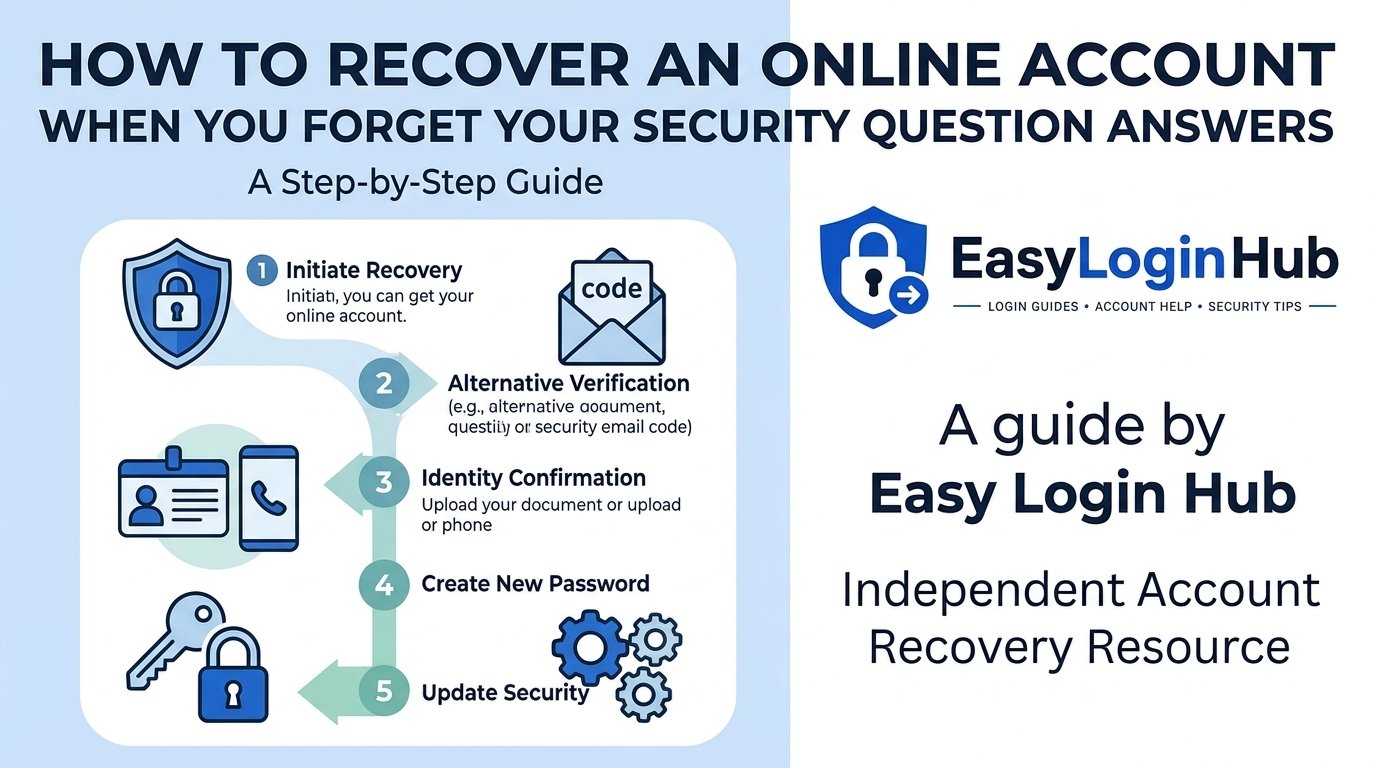
If you cannot remember your current password, you cannot use the standard password change settings described above. Instead, you must use Google’s account recovery workflow:
- Navigate to the Google Sign-in page and enter your email address.
- When prompted for your password, click on Forgot password?
- Follow the on-screen instructions, which may include receiving a verification code via SMS, email to a recovery address, or approving a prompt on a recognized mobile device.
If you run into issues during this recovery step, seeking tailored account recovery assistance can help clarify how recovery parameters and identity verification work.
Best Practices for Creating a Strong Google Password
A strong password is your primary line of defense against cyber threats and unauthorized login attempts. When updating your Gmail credentials, consider these recommendations:
- Avoid Predictable Words: Do not use easily guessable information such as birth dates, pet names, street names, or common dictionary words.
- Use Length to Your Advantage: Aim for a minimum length of 12 to 16 characters. Longer passphrases are significantly harder to crack.
- Mix Character Types: Combine uppercase letters, lowercase letters, numbers, and special characters (e.g.,
!@#$%^&*). - Ensure Uniqueness: Never reuse your Gmail password across other websites, such as social media, banking, or entertainment apps. If another site suffers a security breach, your Gmail account remains secure.
- Use a Dedicated Password Manager: Consider using a browser-based or standalone password manager to generate and store complex passwords safely.
Important Steps to Take After Changing Your Password
Once your password has been successfully updated, complete these post-change checks to ensure seamless connectivity and total account protection:
1. Sign Back In on Other Devices
Changing your password automatically signs your Google Account out of most active sessions on other browsers, smart TVs, tablets, and mobile devices. You will need to enter your new password on those devices to restore synchronization.
2. Update Third-Party App Connections
If you use email clients like Apple Mail, Outlook, or Thunderbird to manage your Gmail inbox, you may need to enter your updated password or generate a new App Password if 2-Step Verification is enabled.
3. Review Active Devices and Recent Security Activity
While in the Security section of your Google Account, take a moment to look at your active device list under Your devices. If you notice any unfamiliar phones, tablets, or locations, sign out of those sessions immediately and check your security settings.
Troubleshooting Common Login Issues
If you encounter error messages or unexpected delays while changing your password, here are quick solutions to troubleshoot common login problems:
- Incorrect Password Error: Double-check your keyboard’s Caps Lock and key layout settings. Passwords are strict regarding letter casing.
- Verification Code Not Received: Wait a few minutes before requesting a new SMS or email code. Ensure your phone has cellular service or a stable Wi-Fi connection.
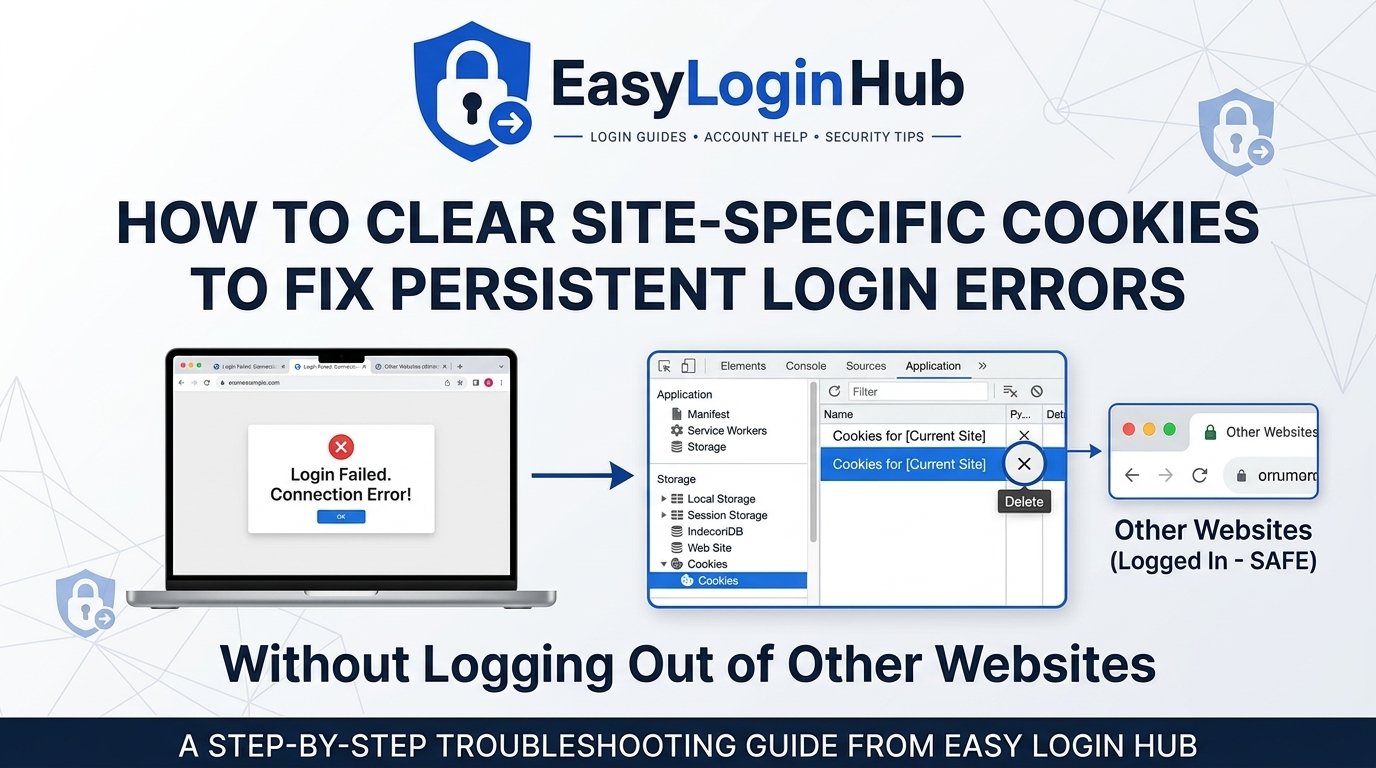
- Browser Caching Issues: If the screen hangs or fails to refresh after submitting your new password, clear your browser cache and cookies, or try again using an Incognito/Private window.
Frequently Asked Questions (FAQs)
How often should I change my Gmail password?
Security guidelines now emphasize changing your password whenever you suspect a data breach, share credentials, or notice unusual account behavior. Routine changes every 3 to 6 months are also helpful if you do not use password management tools.
Does changing my Gmail password sign me out everywhere?
Yes, changing your password invalidates active session tokens across most devices, browsers, and app connections. You will need to authenticate again using your new password.
What should I do if 2-Step Verification is blocking me?
If you cannot access your secondary authentication device (like your phone), use your backup recovery codes or follow the account recovery prompt to verify your identity through alternative methods.
Explore More Guides on Easy Login Hub
Maintaining strong control over your online accounts is essential for personal privacy. For more detailed walkthroughs, security tips, and comprehensive login guides across popular online services, visit Easy Login Hub.