
Few things are more frustrating than attempting to access an online account only to be blocked by an obscure technical error. If you have ever filled out a sign-in form, clicked “Login,” and immediately met with a message reading “CSRF Token Mismatch” or “419 Page Expired,” you are not alone. These messages are common across modern websites, web applications, and customer portals.
While these errors can seem alarming, they are actually generated by built-in web security mechanisms designed to protect your personal information. At Easy Login Hub, our goal is to help users troubleshoot common login problems and navigate account access obstacles with ease. In this comprehensive Login Guide, we will explain why CSRF and 419 errors occur, what they mean for your online security, and how you can resolve them in a few simple steps.
Disclaimer: EasyLoginHub is an independent informational resource providing step-by-step web guidance and account recovery assistance. EasyLoginHub is not affiliated with, authorized by, or operated by any third-party brands, websites, or software applications mentioned in this guide.
Understanding CSRF Tokens and the ‘419 Page Expired’ Error
To fix these login errors effectively, it helps to understand what is happening behind the scenes when a web page loads.
What Is a CSRF Token?
CSRF stands for Cross-Site Request Forgery. Cross-Site Request Forgery is a malicious technique where an unauthorized site trick a user’s web browser into executing unwanted commands on a trusted site where the user is currently authenticated.
To protect against these attacks, modern web application frameworks generate a unique, cryptographically secure string of characters known as a CSRF token whenever a page containing a form (such as a login or registration page) is rendered. This token is saved in your browser session and embedded inside the login form. When you submit your credentials, the web server compares the token sent by your form submission against the token stored in your active session. If both tokens match, the request is approved. If they do not match, the request is rejected with a “CSRF Token Mismatch” notification.
What Does ‘419 Page Expired’ Mean?
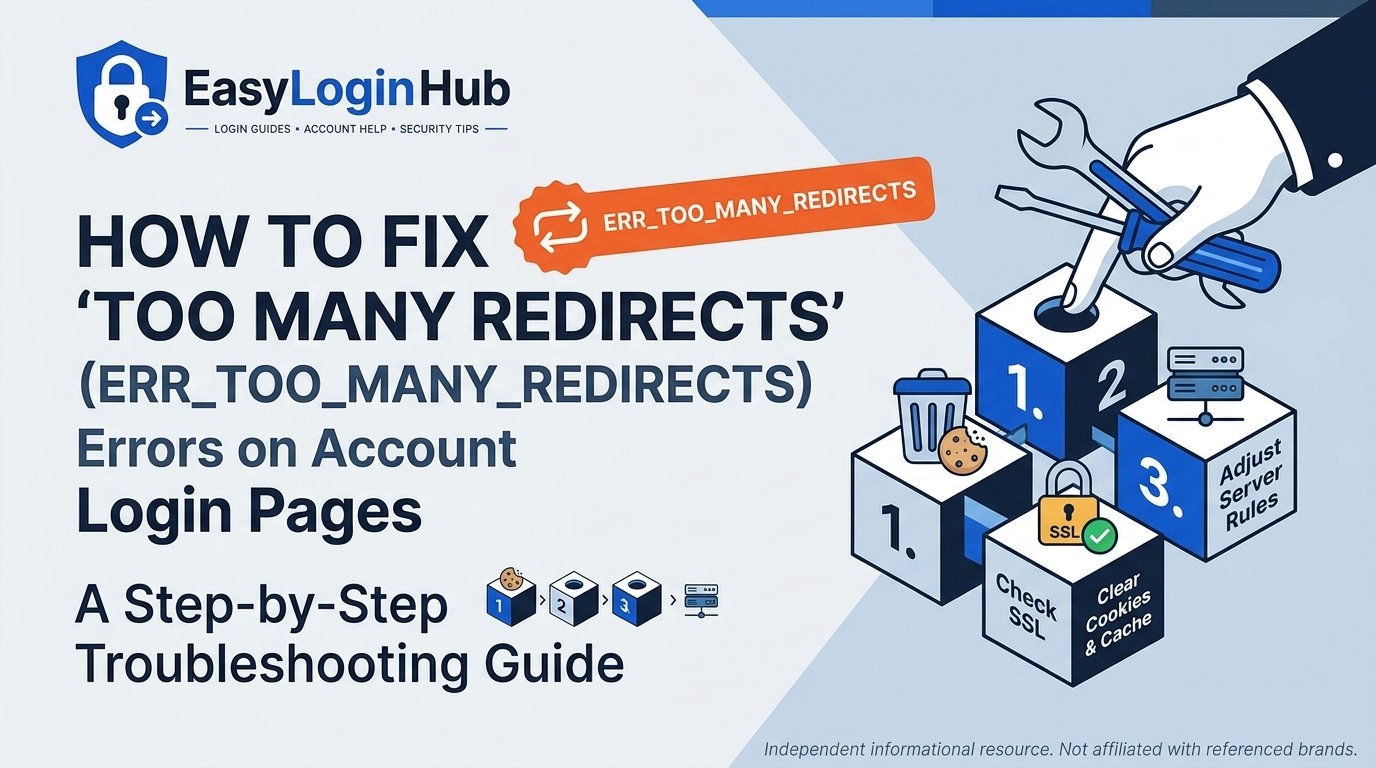
The 419 status code is a custom HTTP response code commonly utilized by popular web frameworks (such as Laravel) to denote that a CSRF token has expired or is invalid. When you see a “419 Page Expired” page, the server is simply telling your browser that the security token assigned to your browsing session is no longer active.
Why Do CSRF Mismatch and 419 Errors Happen?
There are several practical reasons why your browser and a remote web server might lose token synchronization during a login session:
- Inactivity (Session Timeout): If you leave a login page open in a tab for an extended period without submitting it, the session on the server may expire. When you finally submit the form, the token is no longer valid.
- Corrupted or Stale Browser Cookies: Web tokens rely heavily on browser cookies to maintain session state. Outdated, corrupted, or blocked cookies can prevent the server from recognizing your active session.
- Multiple Open Tabs: Opening multiple login screens or account pages in separate browser tabs can cause newer session tokens to overwrite older ones, invalidating the form you submit in a previous tab.
- Browser Extensions & Privacy Blockers: Script blockers, privacy-focused extensions, or aggressive anti-tracking tools can block necessary session cookies or scripts required to transmit the CSRF token.
- System Clock Misalignment: If your computer or mobile device’s system time is set incorrectly, cookie expiration calculations can fail, leading to instant session invalidation.
- Server-Side Caching Issues: On occasion, web administrators configure server caching too aggressively, causing static HTML forms with expired tokens to be served to visitors.
Step-by-Step Guide to Fix CSRF Token Mismatch and 419 Errors
If you encounter a CSRF or 419 error while logging into a website, work through the following practical troubleshooting steps to restore access.
Step 1: Perform a Hard Refresh on the Login Page
The fastest solution is often to force your web browser to reload the web page completely from the server, discarding cached files.
- Windows/Linux: Press
Ctrl + F5or holdCtrlwhile clicking your browser’s Reload icon. - Mac: Press
Cmd + Shift + Ror holdShiftwhile clicking the Reload icon.
This action fetches a completely fresh login form alongside a brand-new CSRF token generated by the server.
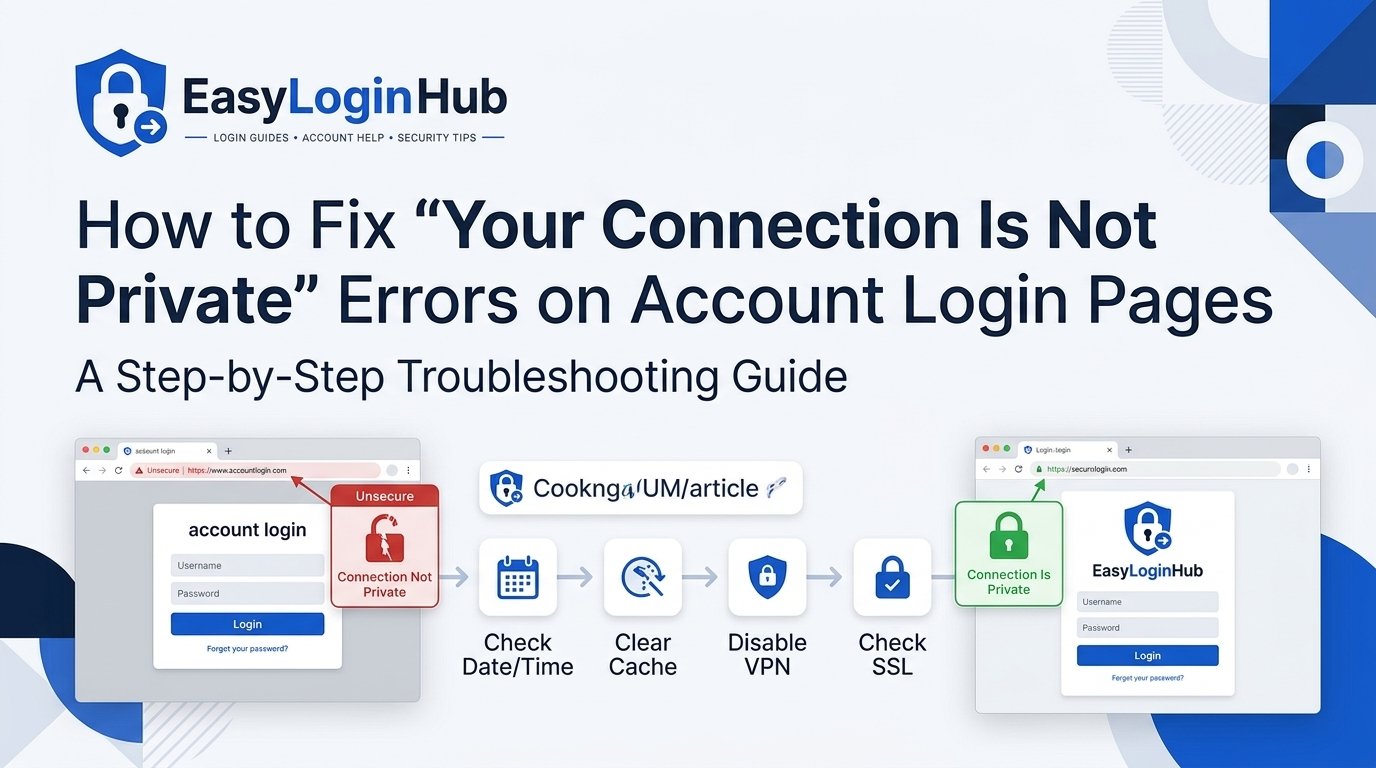
Step 2: Clear Browser Cache and Cookies
If refreshing does not solve the issue, cached files or invalid session cookies may be getting stuck in your browser memory.
- Open your browser settings menu.
- Navigate to the Privacy and Security section.
- Select Clear Browsing Data or Clear History.
- Choose a time range (select “All time” or “Everything” for best results).
- Ensure Cookies and other site data and Cached images and files are checked.
- Click Clear Data, restart your browser, and attempt to log in again.
Step 3: Close Duplicate Tabs
Having multiple tabs open to the same service can break session handling. Close all open tabs related to the site, open a single fresh tab, navigate directly to the login URL, and attempt to sign in.
Step 4: Test Access in Incognito / Private Mode
Private browsing disables most browser extensions and operates with an isolated cookie session. Open an Incognito or Private Window and navigate to the login page. If the page works without showing a 419 error, a browser extension or existing cookie cache is likely causing the problem in your standard browser window.
Step 5: Temporarily Disable Conflicting Extensions
Ad blockers, privacy tools, or cookie managers can inadvertently block session tracking components. Try temporarily disabling ad-blocking or script-blocking browser add-ons to verify whether they are impeding CSRF token transmission.
Step 6: Ensure Cookies and JavaScript Are Enabled
CSRF verification requires cookies to store session keys and JavaScript to update dynamic forms. Verify your browser’s security settings permit essential first-party cookies and script execution for the domain you are trying to use.
Step 7: Check Your Device’s System Date and Time
Cookies depend on accurate timestamps. Verify that your operating system’s date, time, and time zone settings are configured to update automatically. A disparity of even a few minutes can cause security tokens to be treated as expired upon arrival.
Troubleshooting Tips for Web Developers and Site Administrators
If you manage a web platform built on frameworks like Laravel or Symfony and your visitors report persistent 419 Page Expired errors, the solution may require server-side adjustments:
- Verify Session Domain Configuration: Check your environment files (such as
.env) to ensureSESSION_DOMAINmatches your actual site domain precisely. - Review File Permissions: Ensure your server’s session storage folder (e.g.,
storage/framework/sessionsin Laravel) has proper write permissions. - Check Cross-Origin (CORS) and SameSite Settings: Verify that
SameSitecookie policies (Lax vs. Strict) align with how your sign-in forms interact across subdomains or external auth endpoints. - Implement Token Refresh Handling: For single-page applications (SPAs) or forms left open for long periods, consider implementing background JavaScript mechanisms to update CSRF tokens before submission.
Keeping Your Accounts Accessible and Secure
CSRF token checks and 419 page timeouts exist to protect your digital identity from unauthorized manipulation. Although encountering these errors can feel inconvenient, resolving them typically requires only a session refresh or cookie clearance.
For more detailed technical walkthroughs, account setup assistance, and solutions to common access errors across web platforms, explore our updated login guides available at Easy Login Hub.
Frequently Asked Questions (FAQ)
What does CSRF stand for?
CSRF stands for Cross-Site Request Forgery. It is a web vulnerability where malicious websites trick a user’s web browser into performing unauthorized actions on another website where the user is currently logged in.
Is a ‘419 Page Expired’ error a sign that my account has been hacked?
No. A 419 Page Expired error is simply a session management error. It means the temporary security code assigned to your current web page session expired before you submitted your form. It does not indicate a security breach or an unauthorized login attempt on your account.
Why does the 419 error keep happening every single time I try to log in?
If the error occurs repeatedly despite reloading the page, your browser is likely holding onto corrupted session cookies, blocking third-party/session cookies, or running an aggressive privacy extension. Clearing your browser cache and testing the login in an Incognito window usually solves persistent occurrences.
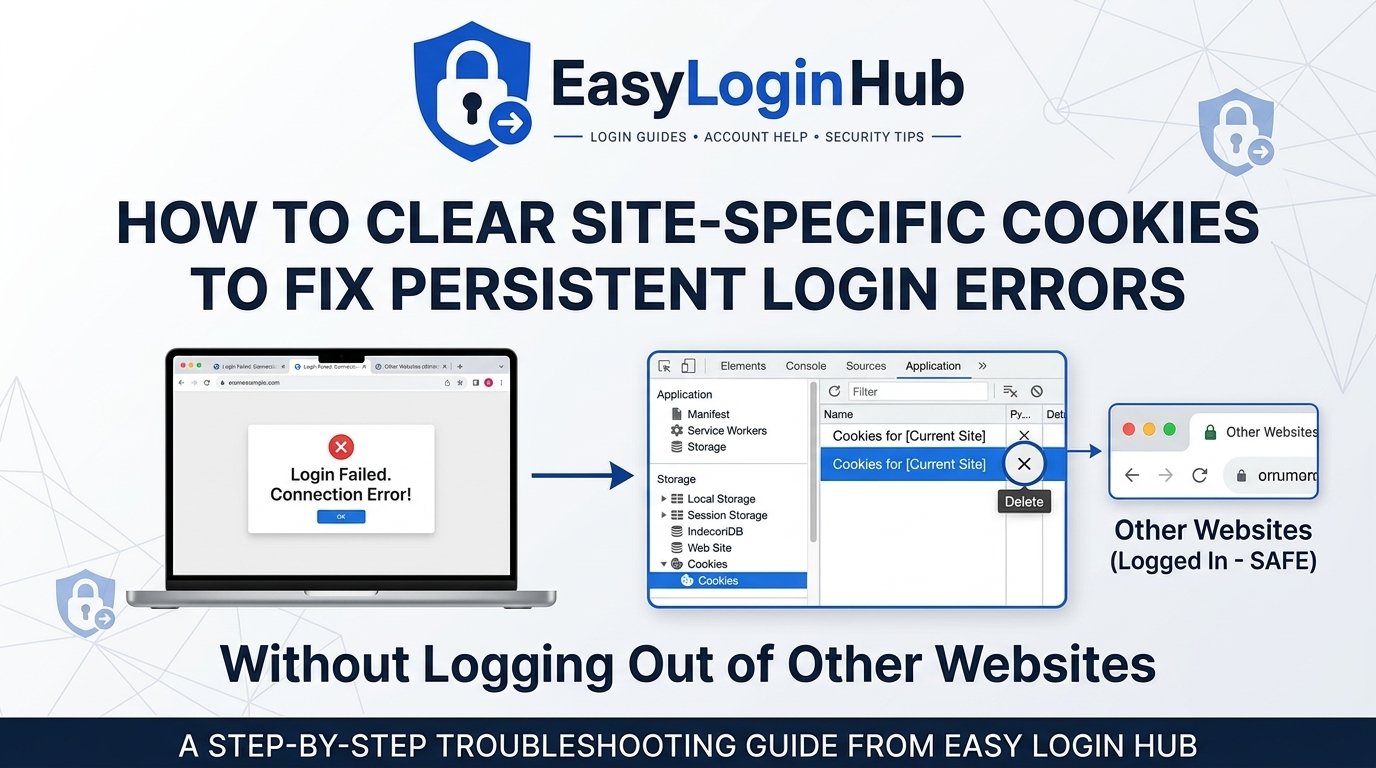
Will clearing my browser cookies log me out of other platforms?
Yes. Clearing all browser cookies removes saved session data across websites, which will require you to re-enter your credentials on active accounts. To avoid logging out of every service, you can choose to clear cookies specifically for the website giving you the 419 error within your browser’s advanced settings.