
Disclaimer: EasyLoginHub is an independent informational resource. EasyLoginHub is not affiliated with, endorsed by, or connected to any third-party web services, brands, or platforms referenced in this guide.
Few technical issues are as frustrating as entering your password into a website or app, double-checking every character, and still being greeted with a bold red message: “Incorrect Password.” You know your password. You might even have typed it correctly a dozen times this week. Yet, the login screen refuses to grant access.
Authentication failures don’t always mean you’ve forgotten your credentials. Modern web security, browser mechanics, local software settings, and keyboard configurations can all alter or block the data sent to a server. When you need to troubleshoot common login problems, understanding what happens behind the screen is the fastest way to regain control of your account.
This comprehensive guide breaks down step-by-step methods to resolve unexpected password rejection errors and regain access smoothly.
1. Eliminate Hidden Typing Errors
Even when you are certain of every keystroke, minor hardware or mechanical settings can alter the text being transmitted.
- Check Caps Lock and Num Lock: Passwords are case-sensitive. Accidental toggles of the Caps Lock key are the single most common cause of unexpected password errors. Similarly, if your password includes numbers typed on a numeric keypad, verify that Num Lock is enabled.
- Use the “Show Password” Toggle: Whenever available, click the eye icon or unmask option in the password field. Viewing the raw text reveals unexpected spaces, missed capital letters, or repeated characters caused by a sticky key.
- Watch Out for Trailing Whitespace: If you copy and paste your password from a note or document, software often automatically highlights an extra space at the beginning or end of the text string. Highlight the text manually or type it out character-by-character to avoid invisible spaces.
2. Inspect Keyboard Layout and System Localization
System settings on computers and mobile devices can change key bindings without obvious visual warnings, causing the key you press to send a completely different character to the browser.
Accidental Language Layout Switches
Operating systems like Windows and macOS support shortcuts (such as Alt + Shift or Cmd + Space) that switch active keyboard languages. If your system switches from an English QWERTY layout to a French AZERTY or German QWERTZ layout, critical letter keys like ‘Q’, ‘W’, ‘Y’, and ‘Z’ change places.
Special Character Mapping
Special characters (such as @, #, !, or $) vary significantly between regional keyboard layouts. If your password contains special characters and your system keyboard profile shifted, the server receives mismatched symbols. To test this, open a plain text editor (like Notepad or TextEdit), type your password out, verify that every character prints correctly, and then copy it into the login box.
3. Address Browser Extensions, Cache, and Autofill Conflicts
Web browsers store credentials and site scripts to speed up future logins. However, corrupted cache files or outdated browser extensions can interfere with the authentication process.
- Clear Outdated Browser Autofill Entries: Browsers often automatically fill in stored passwords. If you recently updated your account credentials on another device, your current browser might still be submitting your old, saved password behind the scenes. Delete the saved entry in your browser settings or overwrite it with the updated password.
- Test in Private / Incognito Mode: Open an Incognito or Private Browsing window and try logging in. Private mode disables most browser extensions and ignores cached cookies. If the login works in private mode, the issue is likely caused by a browser extension (such as an ad blocker or script manager) or a corrupted cache file.
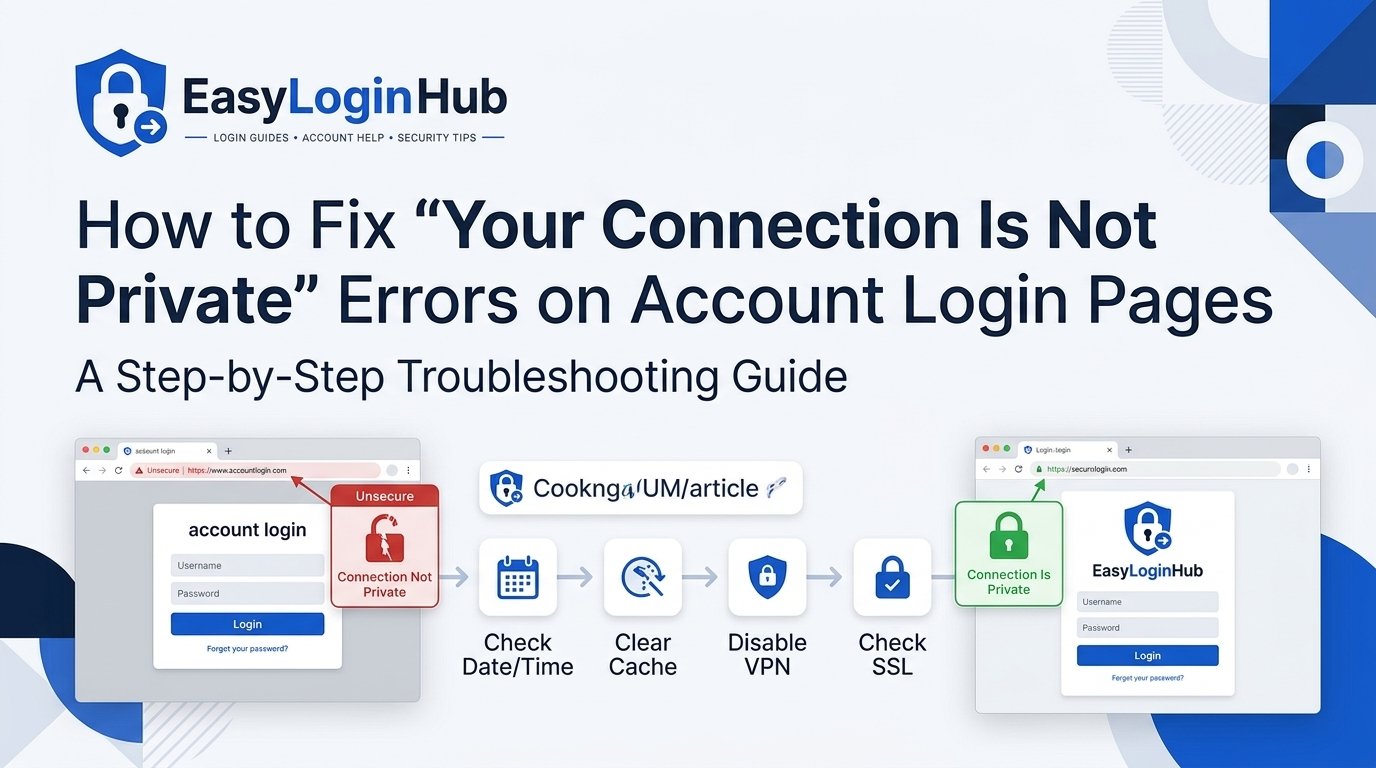
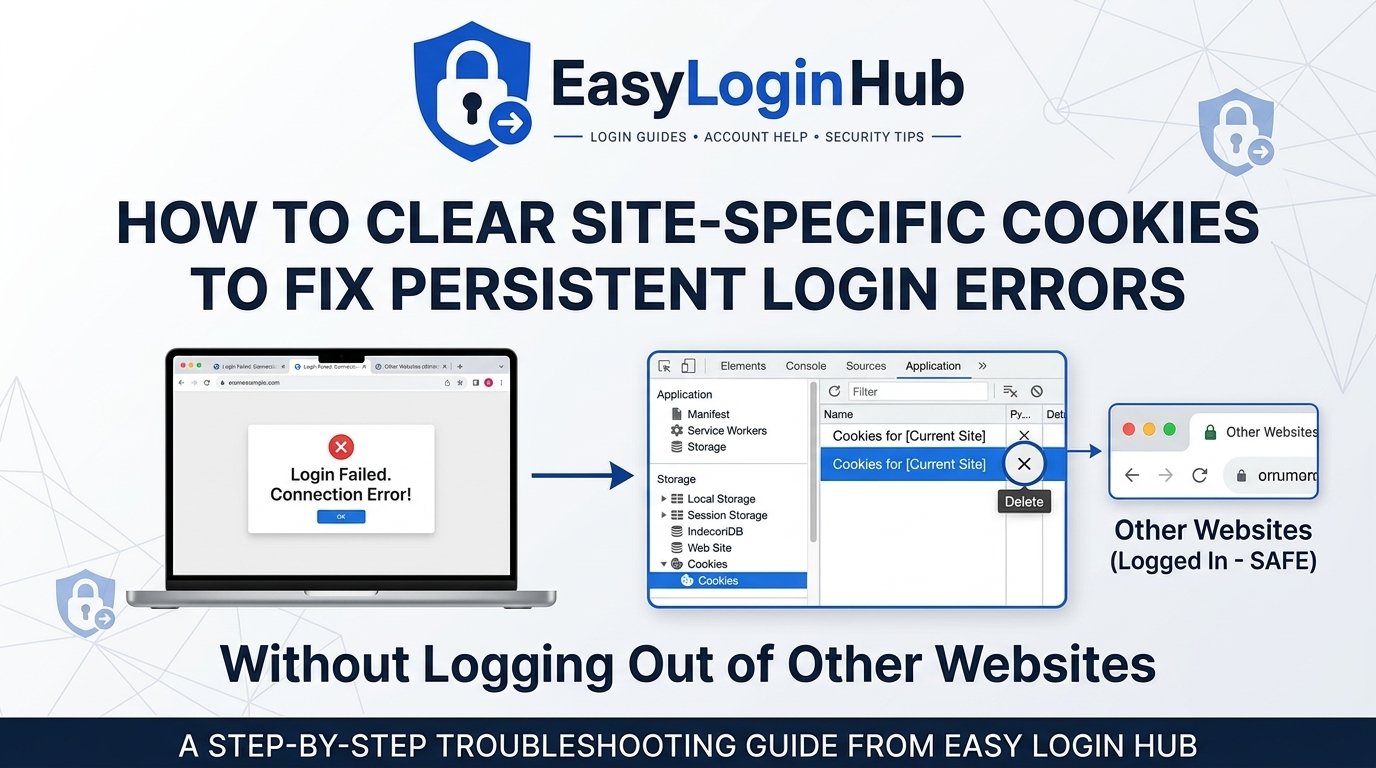
- Clear Cookies and Site Cache: Corrupted browser cookies can create infinite redirect loops or send invalidated session tokens, prompting the server to throw a generic password error. Clear the browser cache and cookies specifically for the website giving you trouble, then restart the browser.
4. Resolve Password Manager and Device Sync Delays
If you rely on a dedicated password manager or cloud keychain, synchronization issues across multiple devices can lead to persistent password errors.
When you update a password on a smartphone, it may take a few minutes—or require a manual sync—to update on your desktop computer. Always inspect the vault entry in your password manager to check the “last modified” timestamp. If the password entry hasn’t updated across all devices, check your internet connection or force a sync within the password manager settings.
5. Account Lockouts, IP Rate-Limiting, and VPN Interactions
Sometimes the issue isn’t the password itself, but security barriers triggered by repeated failed attempts or unexpected network traffic.
Temporary Rate Limits and Account Suspensions
To guard against brute-force attacks, security systems automatically lock accounts or IP addresses after a specified number of failed login attempts. When an account enters a temporary lockout phase, typing the correct password will still yield an error message. Wait 15 to 30 minutes without attempting to log in to allow temporary lockouts to clear automatically.
VPN and Proxy Triggers
If you are connected to a Virtual Private Network (VPN) or proxy server, the service may flag your connection as suspicious due to unusual geographic movement or shared IP activity. Disconnect your VPN temporarily or switch to a local server location, then attempt to log in again.
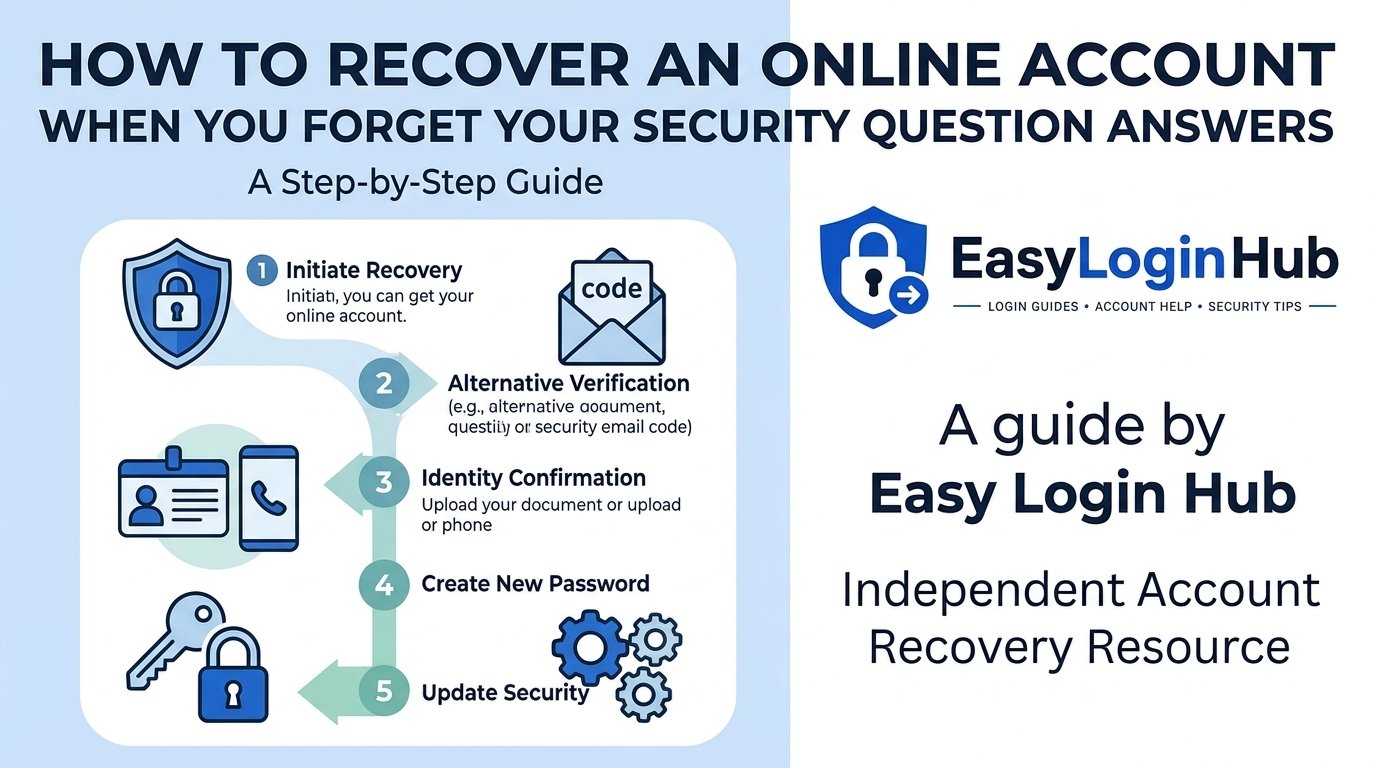
6. When to Initiate Account Recovery
If you have cleared your browser settings, verified your keyboard layout, checked for hidden spaces, and waited out temporary rate limits, it may be time to reset your password officially.
Navigating account resets requires using verified recovery workflows provided directly by the platform:
- Select the official “Forgot Password” or “Reset Password” link located on the legitimate login page.
- Check your registered email account or mobile device for security verification codes.
- Check spam and junk folders if the password reset email does not arrive promptly.
- Create a robust, unique replacement password and store it immediately in a secure password manager.
How Easy Login Hub Can Support Your Digital Access
Navigating online portals, security settings, and platform updates can feel overwhelming. At Easy Login Hub, our mission is to empower users with practical technical knowledge and step-by-step guidance. Whether you are looking for general account recovery assistance, practical security tips, or a clear step-by-step Login Guide, our independent repository offers accessible educational resources designed to make online account management simple and stress-free.
By consulting structured login guides and standard troubleshooting strategies, you can minimize digital headaches and keep your essential online accounts secure and accessible.
Frequently Asked Questions (FAQ)
Why does my password say incorrect right after I changed it?
This usually happens when your browser’s auto-fill feature automatically submits your old, saved password instead of the newly created one. Clear your saved credentials in your browser or password manager, or type the new password manually to ensure it registers correctly.
Can a security extension or ad blocker block my login?
Yes. Certain privacy extensions, ad blockers, and script blockers block background authentication scripts (like CAPTCHA or security token scripts) necessary to verify your request. Disabling extensions temporarily or logging in through a private browsing window can confirm if an extension is interfering.
What should I do if I am completely locked out and not receiving reset emails?
First, inspect your spam, junk, and promotional email folders. Ensure your inbox storage isn’t full. If you still don’t receive recovery emails, verify that you are entering the exact email address or username associated with the account, or consult official platform help centers for alternative identity verification options.