
Passwordless authentication and one-click “magic links” have made logging into mobile applications significantly faster—when they work properly. However, one of the most frustrating technical issues users encounter today is deep link sign-in failure. You click a sign-in or verification link in an email or SMS, expecting the mobile app to open automatically, but instead, you end up stuck in a web browser loop, looking at a blank page, or seeing an error message that says “Link Invalid” or “Page Not Found.”
At Easy Login Hub, we specialize in providing clear, actionable login guides to help you navigate account access hurdles smoothly. If you are struggling with magic links, Single Sign-On (SSO) redirects, or account verification URLs, this comprehensive Login Guide will walk you through why deep link failures happen and how to resolve them on both Android and iOS devices.
Understanding Mobile Deep Links and Universal Links
To understand why a sign-in link fails, it helps to understand how your mobile device handles web addresses intended for installed applications.
When an app developer designs a passwordless login system, they use underlying operating system technology known as Universal Links (on Apple iOS) or App Links (on Android). These systems register specific domain names with your phone’s operating system. When you click a URL associated with that domain, your smartphone is supposed to bypass the web browser and pass the authentication token directly to the installed application.
When this handoff breaks, you experience a deep link failure. Instead of authenticating your account, the link opens in a web browser that lacks the app’s security context, causing the sign-in attempt to fail.
Common Causes of Deep Link Sign-In Failures
There are several reasons why your mobile device might fail to direct a login link to the correct application:
- In-App Browsers: Email apps like Gmail, Outlook, or Yahoo Mail often open links inside their own restricted, embedded browser rather than hand off the URL to the operating system.
- Disabled OS Association Settings: Your phone’s settings may have been configured to always open links in a browser like Chrome or Safari, blocking the app from launching.
- Cross-Device or Cross-Browser Requests: Requesting a login link on your mobile app and opening the resulting email link on a desktop computer (or vice versa) breaks the active session token.
- Expired Security Tokens: Magic links are time-sensitive. If you take too long to open the link, the token automatically expires for security reasons.
- Outdated Applications: An outdated mobile app may no longer match the secure domain records verified by Apple or Google servers.
Step-by-Step Fixes for Mobile Deep Link Login Problems
If you want to troubleshoot common login problems related to deep links, work through these proven solution steps.
1. Bypass In-App Browsers
In-app web browsers embedded within email clients are the leading cause of deep link sign-in failures. When you tap a magic link inside an email app, the built-in browser attempts to handle the link internally instead of passing it to the target app.
How to fix this:
- Look for an option menu (usually represented by three dots or a share icon) in the upper-right or lower-right corner of the browser window.
- Select “Open in Safari” or “Open in Chrome”. In many cases, handoff to the primary system browser triggers the operating system to launch the app.
- Alternatively, long-press (press and hold) the sign-in button or link inside your email, select Copy Link, and paste it directly into your main browser URL bar.
- Check your email app’s settings menu and disable options like “Open web links in Gmail” or “Use internal browser.”
2. Adjust Operating System Link-Handling Settings
If your device defaults to opening all links in a web browser, you must explicitly permit the application to open supported web addresses.
For Android Devices:
- Open your device Settings app.
- Navigate to Apps or Applications.
- Select Default Apps (or tap Special App Access > Opening Links).
- Find and tap the mobile app you are trying to log into.
- Ensure Open supported links is toggled On.
- Verify that the app’s verified domain web addresses are listed and selected under Supported Links.
For iOS Devices (iPhone / iPad):
- If a link opens in Safari instead of the app, long-press the login link in Safari or your email client.
- Look for an option in the context menu that says Open in [App Name]. Tapping this restores the automatic default association.
- If the app icon appears in the upper right corner of the Safari browser page (as an app banner), tap OPEN to complete sign-in.
3. Maintain Session Consistency (Same Device & Browser)
Security protocols require that the device initiating the login request matches the device finishing it. If you open a mobile app, enter your email, and then open the confirmation email on your laptop or a secondary phone, the session token will fail because the request origin does not match.
Best practice: Always initiate the magic link request on the exact same smartphone where the app is installed, and open the confirmation link on that same device.
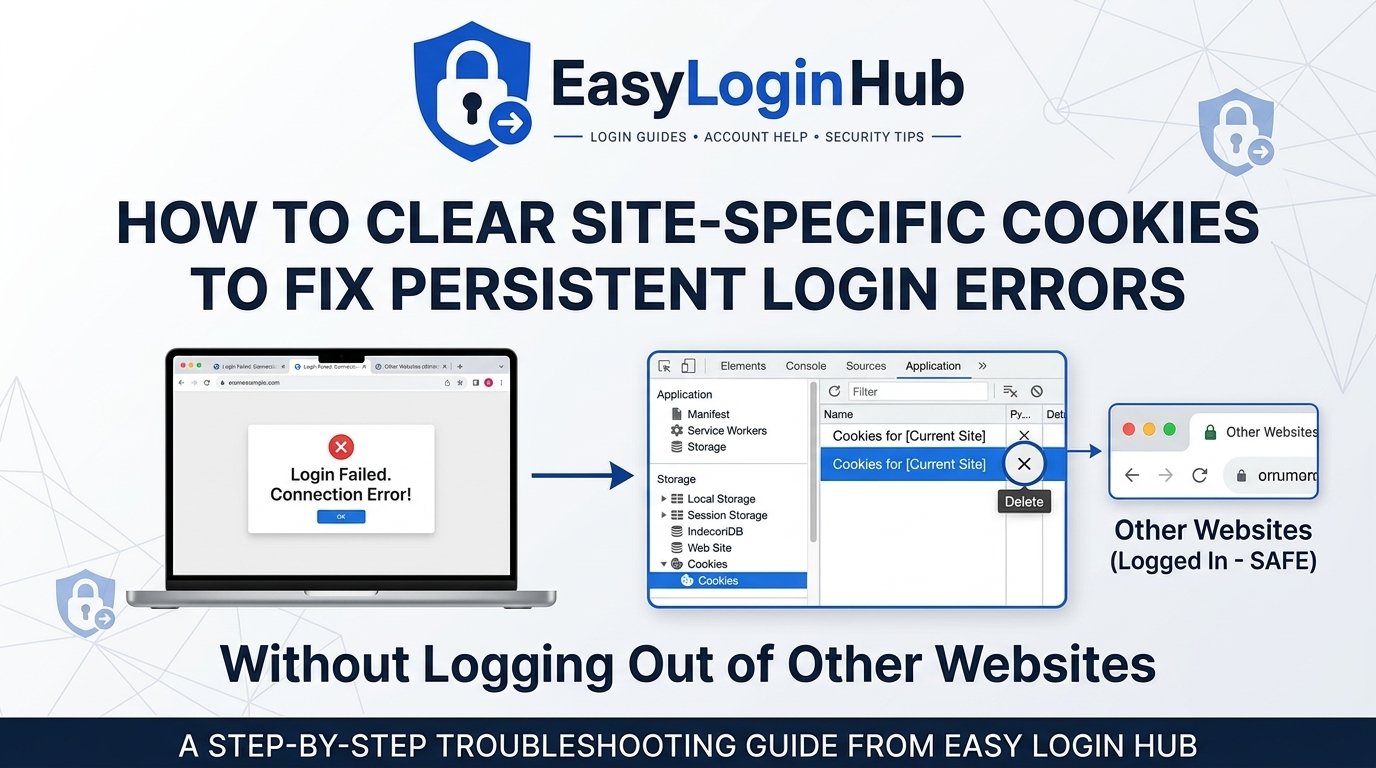
4. Clear Default Browser Cache and Cookies
Corrupted cookies or aggressive ad-blocking extensions inside your mobile browser can block the javascript redirects required to pass deep links back to an application.
- On Android (Chrome): Open Chrome > Settings > Privacy and Security > Clear Browsing Data > Select “Cached images and files” and “Cookies and site data”.
- On iOS (Safari): Open iOS Settings > Safari > Clear History and Website Data.
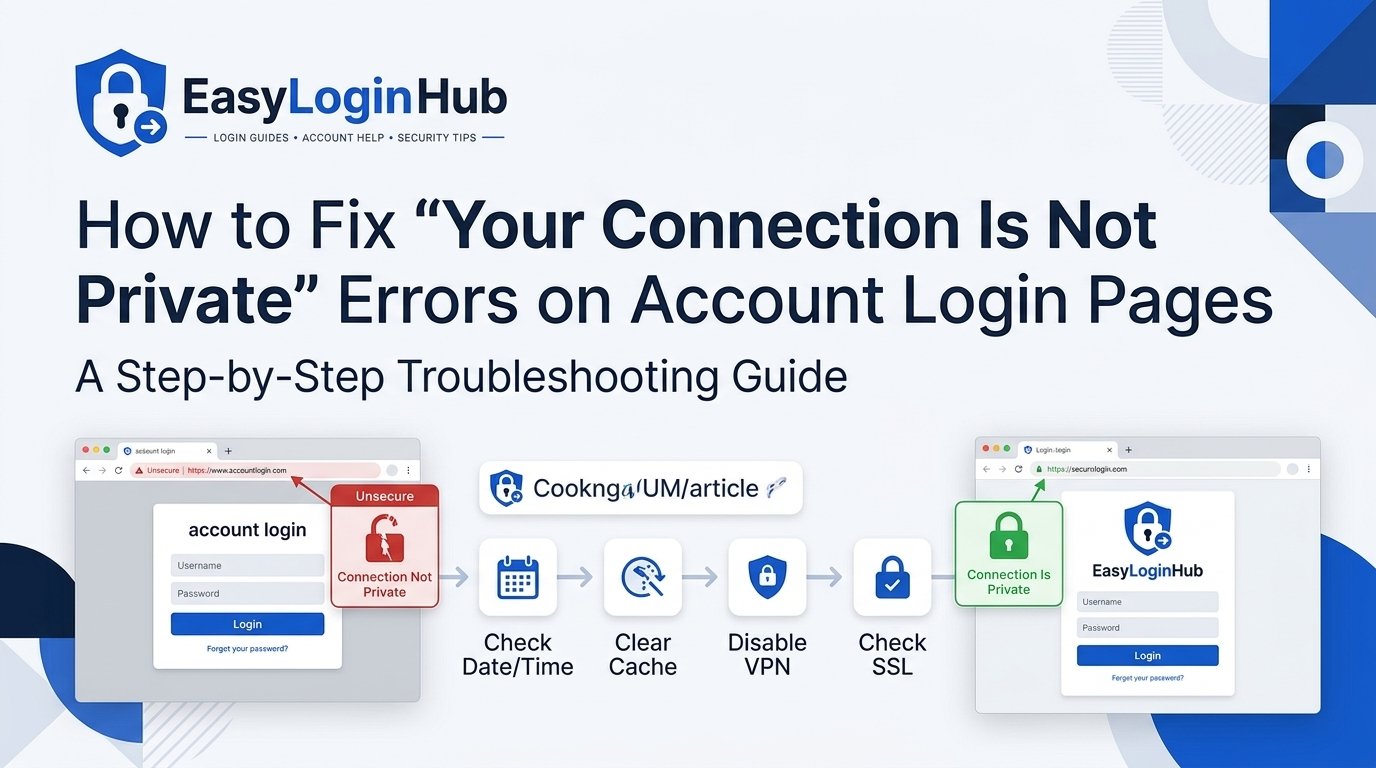
- Temporarily disable content blockers or VPN applications that filter network redirects during sign-in.
5. Reinstall or Update the Application
If app associations become corrupted after an operating system update, your phone may fail to verify the digital asset links required for deep linking. Updating or reinstalling the app re-registers these security files with Android or iOS.
- Check the Google Play Store or Apple App Store for pending updates for the application.
- If updating does not resolve the issue, uninstall the application completely.
- Restart your mobile device.
- Reinstall the application from the official app store. Reinstalling forces the operating system to re-index the app’s supported domain links.
When Deep Links Continue to Fail: Alternative Options
If deep link navigation continues to fail despite correcting your settings, you may need to rely on fallback login mechanisms or seek dedicated account recovery assistance:
- One-Time Passcodes (OTP): Many services offer an alternative sign-in method that sends a 6-digit numeric code via SMS or email instead of a magic link. Enter this code manually inside the app to bypass deep link routing entirely.
- Standard Password Sign-In: If available, choose the option to log in using a traditional username and password combination.
- Web Browser Fallback: Log into the service’s web version via a browser first, then check account settings to see if you can manage registered devices or generate an app-specific access key.
Conclusion
Mobile deep link sign-in failures can be frustrating, but they are usually caused by easily fixable issues like in-app email browsers, incorrect link-handling permissions, or device mismatches. By adjusting your default app settings and opening authentication links in your system browser, you can quickly restore smooth, one-tap access to your favorite mobile applications.
For more troubleshooting guides, account recovery steps, and secure access information, explore our full library of step-by-step guides at EasyLoginHub.
Disclaimer: Easy Login Hub is an independent informational platform that provides educational login guides, password recovery instructions, and tech support information. EasyLoginHub is not affiliated with, authorized by, or operated by any third-party app developers, mobile platforms, or software services mentioned in this article.
Frequently Asked Questions (FAQ)
Why does my login link keep opening in Chrome or Safari instead of opening the app?
This usually happens because your email app is using an embedded in-app browser or because your mobile operating system’s default link-handling permissions have been reset. To fix this, open the link directly in your primary system browser or tap and hold the link to select “Open in App.”
What should I do if a magic link says “Expired” or “Invalid Token” immediately?
Magic links often expire in 5 to 15 minutes. Additionally, some email security filters preview links automatically, which destroys single-use tokens. Make sure you click the link immediately after requesting it, and ensure you open it on the same device where you requested the sign-in.
Can an active VPN or Ad Blocker break mobile deep links?
Yes. Many deep links rely on domain tracking and instant URL redirects to establish identity. Aggressive ad-blocking software, tracking protection tools, or strict VPN routes can block these redirects, causing the login link to fail. Temporarily disabling these tools often resolves the issue.