
Single Sign-On (SSO) through Google is one of the most convenient web technologies available today. With a single click on “Sign In with Google,” users can access hundreds of third-party apps, productivity portals, and SaaS tools without remembering separate usernames and passwords. However, when the authentication handshake fails, users often find themselves trapped in an infinite login loop or facing obscure SSO error messages.
A login loop occurs when you click the Google authentication button, complete the prompt (or watch it automatically process), only to be redirected right back to the original login page without being authenticated. In other cases, you might encounter browser errors such as 400 bad_request, redirect_uri_mismatch, or a blank popup window that never finishes loading.
At Easy Login Hub, we help users navigate digital identity hurdles every day. In this detailed guide, we break down why Google SSO authentication breaks and provide step-by-step solutions to troubleshoot common login problems so you can regain access to your critical accounts quickly.
Understanding How ‘Sign In with Google’ Works
To understand why login loops happen, it helps to understand the underlying technology: OAuth 2.0 and OpenID Connect (OIDC). When you click “Sign In with Google”:
- The Request: The target website sends an authorization request to Google’s identity servers.
- Authentication: Google verifies your identity using session cookies saved in your web browser or asks you to enter your credentials.
- Authorization Token: Once verified, Google generates a secure authorization token or authorization code and sends it back to the target website via a callback URL.
- Session Creation: The target website validates the token with Google and creates a local login session for you via a session cookie.
If any single step in this multi-party communication breaks—due to corrupted browser cache, overly restrictive privacy settings, token expiration, or network security rules—the handoff fails, and the application resets the authentication flow, leading directly into a login loop.
Primary Causes of Google SSO Login Failures
Before jumping into troubleshooting, identify the most common triggers behind Google authentication loops:
- Corrupted Cookies or Stale Tokens: Outdated session cookies on your computer can conflict with new authentication tokens.
- Blocked Third-Party Cookies: Google SSO relies on cross-site communication. Modern privacy settings often block third-party cookies required to pass authentication tokens across domains.
- Browser Extension Interference: Ad blockers, privacy-enhancing extensions, and script blockers frequently disrupt identity provider redirects.
- Multiple Signed-In Google Accounts: If you are signed into multiple Google Accounts (e.g., personal and work) in the same browser session, the authorization handoff can pick the wrong profile or fail entirely.
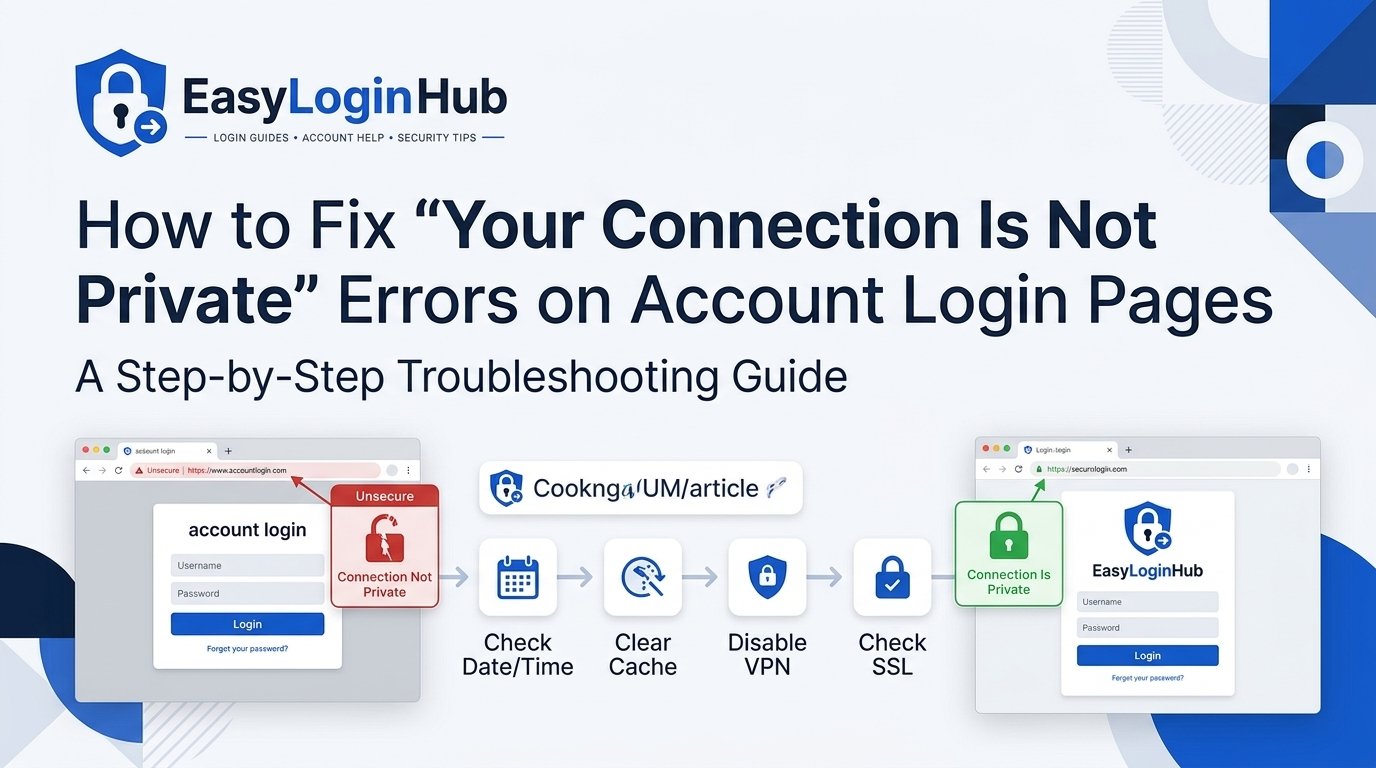
- Incorrect System Clock Settings: OAuth tokens rely on exact UTC timestamps. If your device clock is off by even a few minutes, security tokens are rejected as expired or invalid.
Step-by-Step Guide to Fixing Google SSO Login Loops
Step 1: Test Access in Incognito or Private Browsing Mode
The fastest way to isolate the cause of a login loop is to open a new Incognito or Private window in your web browser and attempt to sign in again.
- If Google SSO works in Incognito mode, the issue is directly linked to stored browser cache, stale cookies, or an active browser extension in your normal window.
- If Google SSO still fails in Incognito mode, the problem is likely related to account permissions, network security policies, or backend configuration errors on the target platform.
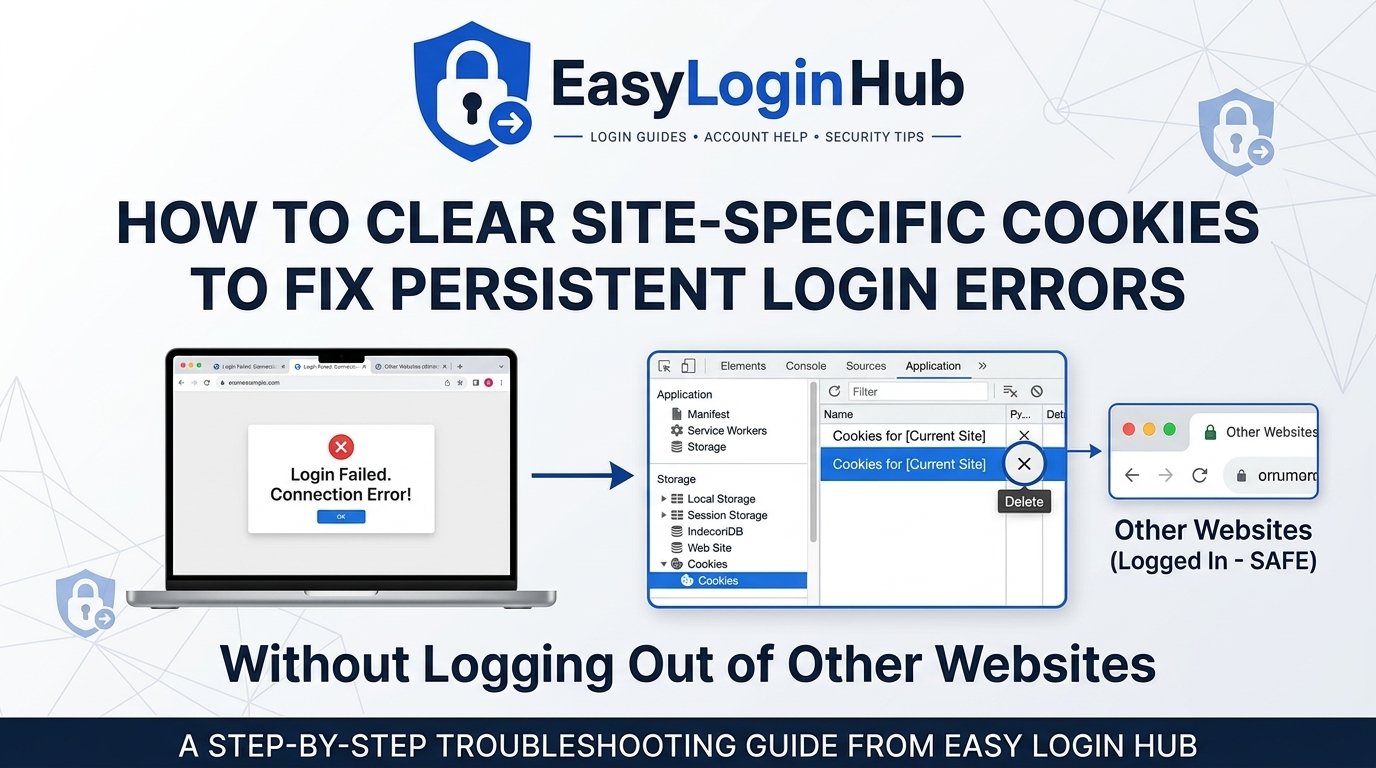
Step 2: Clear Browser Cookies and Cache for Google and Target Sites
Corrupted authorization tokens stored in your browser cache are the leading cause of infinite redirect loops. Clearing cache and cookies forces your browser to negotiate a fresh session key.
To perform a targeted cookie cleanup without clearing your entire browser history:
- Open your browser settings (e.g., Chrome Settings > Privacy and Security > Third-party cookies).
- Navigate to See all site data and permissions.
- Search for
google.comand delete the associated data. - Search for the domain name of the website you are trying to access (e.g.,
app.example.com) and delete its data as well. - Restart your browser and attempt to log in again.
Step 3: Enable Cross-Site Tracking and Adjust Third-Party Cookie Settings
Strict browser privacy settings—such as Apple Safari’s Intelligent Tracking Prevention (ITP) or Chrome’s Enhanced Protection—frequently block the cross-domain authorization cookies that OAuth requires.
If you encounter SSO failures on specific browsers:
- In Google Chrome: Go to Settings > Privacy and security > Third-party cookies. Ensure that third-party cookies are allowed for the specific site, or add the website domain to the exception list under “Allowed to use third-party cookies.”
- In Apple Safari: Open Settings > Privacy and temporarily uncheck Prevent cross-site tracking and Block all cookies to check if this resolves the authentication loop.
- In Mozilla Firefox: Click the shield icon in the address bar to check if Enhanced Tracking Protection is blocking the Google login popup, and temporarily set protection to Standard for that site.
Step 4: Disable Conflicting Browser Extensions
Privacy extensions (like uBlock Origin, Privacy Badger, or Ghostery) or script blockers can stop OAuth popup windows from passing security tokens back to the parent page.
- Disable your extensions one by one or pause them globally for the site experiencing issues.
- Pay special attention to content blockers, password managers with auto-fill scripts, and VPN extensions.
- Refresh the login page and attempt the Google Sign-In sequence again.
Step 5: Resolve Multiple Google Account Conflicts
When you are logged into several Google accounts simultaneously within one browser profile, Google assigns index numbers to your accounts (e.g., /u/0/, /u/1/). Certain third-party services fail to handle these multi-account pathways correctly, resulting in login loops.
- Sign out of all Google accounts in that browser window, then sign back in only with the primary Google account associated with the service.
- Alternatively, set up separate browser profiles (e.g., Chrome Profiles) for Work and Personal Google accounts to keep authentication cookies completely isolated.
Step 6: Revoke and Re-Grant Third-Party App Permissions
If a previously working Google SSO connection suddenly starts failing, the app’s authorization token in your Google Account settings may have been revoked or invalidated.
- Go to your official Google Account Management dashboard (
myaccount.google.com). - Navigate to the Security section and scroll down to Your connections to third-party apps & services.
- Locate the application that is failing to log in.
- Select the application and click Delete all connections or Remove Access.
- Return to the target application’s site and click “Sign In with Google” again to grant fresh OAuth permissions.
Step 7: Verify System Time and Network Settings
OAuth 2.0 security relies on short-lived time-stamped tokens. If your computer or mobile device’s system clock is out of sync with international atomic time servers, Google will automatically reject authentication requests.
- On Windows or macOS, open System Settings, locate Time & Date settings, and ensure Set time automatically is turned on.
- If you are using a Virtual Private Network (VPN) or enterprise proxy firewall, temporarily disable it. Some network-level security appliances strip authentication headers or block outbound connections to Google authentication endpoints.
When SSO Problems Require Administrative Intervention
Sometimes, login loops are caused by administrative policy configurations rather than user-side issues. If you are using a work, school, or organizational Google Workspace account, contact your organization’s IT department or consult additional login guides for enterprise environments:
- Admin Controls: Google Workspace administrators can restrict users from authorizing unapproved third-party apps via the Google Admin Console.
- Redirect URI Mismatches: If you see an explicit error screen stating
redirect_uri_mismatch, the web developer of the third-party application has configured their OAuth credentials incorrectly. Only the application developer can resolve this issue on their backend.
Getting Additional Help for Persistent Account Issues
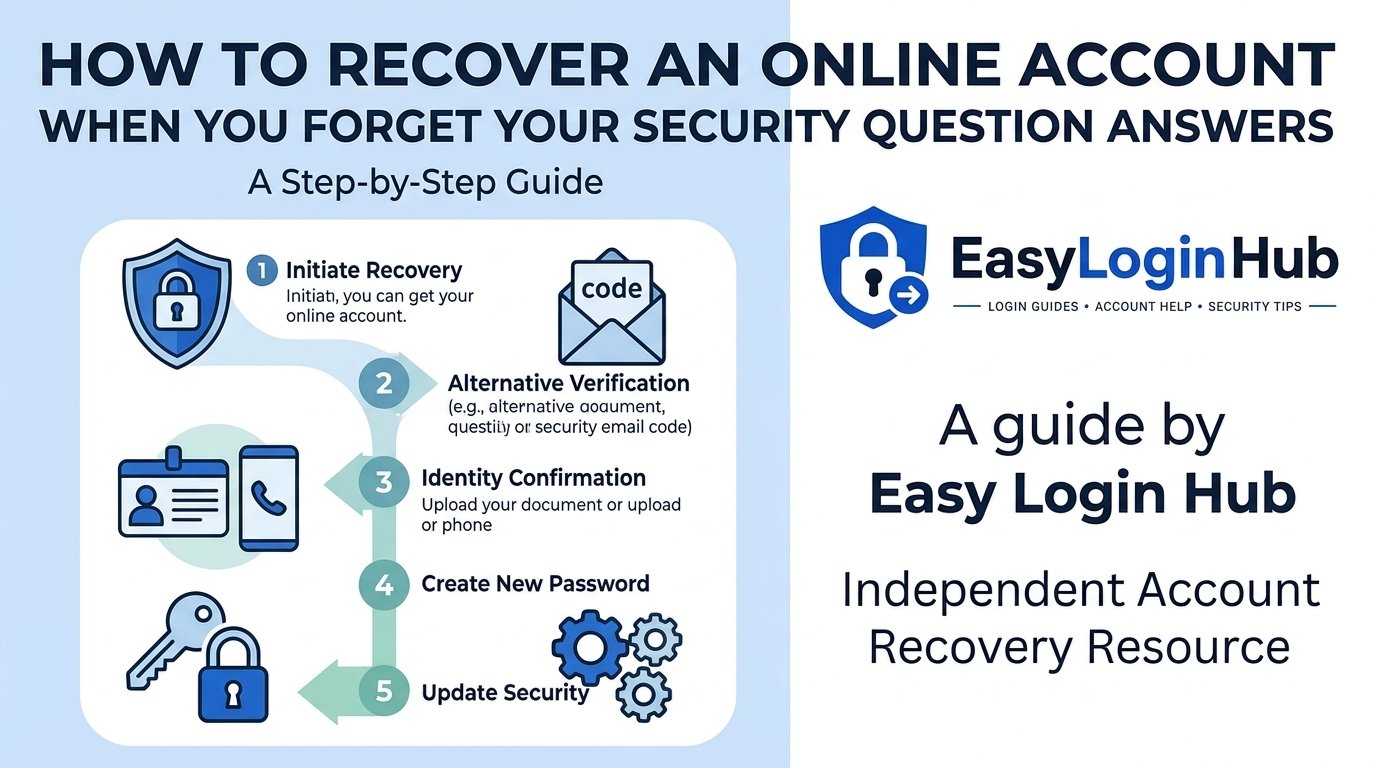
If you have cleared your browser environment, verified your clock, and re-granted permissions, yet still cannot access your service, you may be facing a broader profile lockout or credential synchronization failure. For step-by-step walk-throughs on recovering locked profiles or resetting access protocols, visit our dedicated account recovery assistance tutorials at EasyLoginHub.
Frequently Asked Questions (FAQs)
Why does ‘Sign In with Google’ keep refreshing without logging me in?
This usually happens because your web browser is blocking the third-party session cookie that the external site needs to establish your authenticated session after Google verifies who you are. Clearing site cache or lowering cross-site cookie restrictions generally resolves the loop.
Is it safer to use Google SSO or a traditional password?
Using Google Single Sign-On is generally more secure than creating traditional site-specific passwords, provided your Google Account is secured with Multi-Factor Authentication (MFA). It reduces password reuse and prevents your credentials from being leaked if the individual third-party service suffers a database breach.
Will clearing cookies log me out of all my other accounts?
If you clear all cookies globally across your browser, yes, you will be logged out of active sessions on other sites. However, if you follow our targeted cleanup steps to delete cookies exclusively for Google and the affected target site, your active sessions on other websites will remain intact.
Final Thoughts
While Google SSO failures can disrupt your workflow, most login loops stem from simple browser caching issues, multi-account confusion, or overly strict privacy settings. By systematically following these troubleshooting steps, you can break the loop and regain access to your favorite applications safely. For more in-depth guides on troubleshooting digital access and managing online security effectively, turn to EasyLoginHub.