
Few digital experiences are as frustrating as being locked out of an account, requesting a password reset email, and immediately seeing an error message that reads “Token Expired,” “Invalid Link,” or “Reset Link No Longer Valid.” You requested the email just seconds ago, yet the system rejects your attempt to regain access.
This issue is surprisingly common across banking portals, social media platforms, productivity suites, and online shopping accounts. At Easy Login Hub, we regularly help users understand account security and troubleshoot common login problems. In this guide, we will break down why security tokens fail, what triggers these errors, and the exact step-by-step methods you can use to successfully reset your password.
What Is a Password Reset Token?
To understand why reset links fail, it helps to understand how password security works behind the scenes. When you click “Forgot Password,” the service generates a unique, temporary cryptographic string known as a security token. This token is attached to the URL sent to your registered email address.
The system uses this token to verify two essential conditions:
- Identity Verification: It proves that the person clicking the link has direct access to the email account associated with the profile.
- Time-Limited Authorization: It creates a temporary window during which a password change is permitted, preventing unauthorized actors from using old, intercepted links later on.
Because these tokens are strictly time-sensitive and usually configured for single-use access, even minor discrepancies in timing, browser settings, or email security software can render the link invalid.
Common Reasons for ‘Token Expired’ and ‘Invalid Link’ Errors
When a password reset link fails immediately or shortly after arrival, one of several hidden factors is typically responsible:
1. Multiple Reset Requests (Token Overwriting)
If you click “Forgot Password” multiple times in rapid succession, the server generates a brand-new token with every request. In most systems, issuing a new token automatically invalidates all previously generated tokens. If you accidentally click the link from an earlier email rather than the most recent one, you will receive an “Invalid Link” or “Token Expired” error.
2. Anti-Spam and Email Security Pre-Fetching
Modern enterprise email security systems (such as Microsoft Defender for Office 365, Proofpoint, or corporate firewalls) use automated security scanners to protect users from phishing. These tools often “pre-fetch” or automatically open links within incoming emails to verify their safety before delivering the message to your inbox. Because reset links are designed to be single-use, the automated scanner consumes the token before you ever physically click it.
3. Short Expiration Windows
To comply with modern cybersecurity standards, many platforms set aggressive expiration windows on sensitive links—sometimes as short as 5 to 15 minutes. If your email provider experiences minor delivery delays, the token may expire before the message even arrives in your inbox.
4. Email Formatting and Line Breaks
Some plain-text email clients or mobile mail applications automatically format long URLs by breaking them into multiple lines. If a long security token gets cut off when you click it, your browser only opens a partial web address, resulting in an “Invalid Token” response from the server.
5. Browser Cache, Cookies, and Existing Sessions
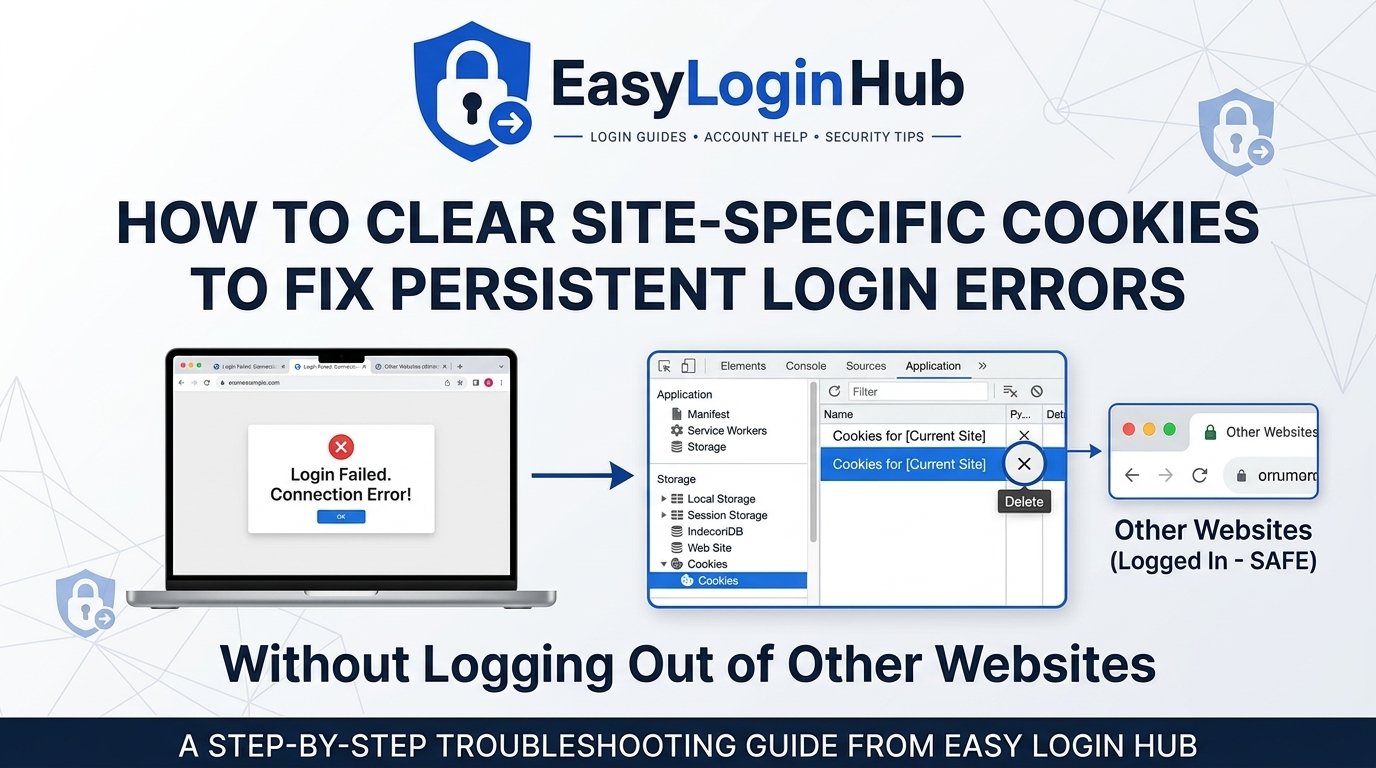
Your web browser stores temporary cache files and cookies to speed up website loading. If your browser holds active session data or cached redirect pages from a previous failed login attempt, it may interfere with the fresh reset link you are trying to open.
6. Incorrect System Time or Timezone Mismatch
Password reset tokens rely on UTC timestamps. If your device’s internal clock is set manually and deviates by even a few minutes from standard server time, the website may calculate that the token was generated in the future or past, triggering an automated rejection.
Step-by-Step Troubleshooting Guide
If you are stuck in a loop of expired links, follow these structured troubleshooting steps to successfully complete your password reset.
Step 1: Clean Up Your Inbox
Before requesting a new link, open your email client and delete every previous password reset email sent by that service. This prevents you from accidentally clicking an outdated link when the new notification arrives.
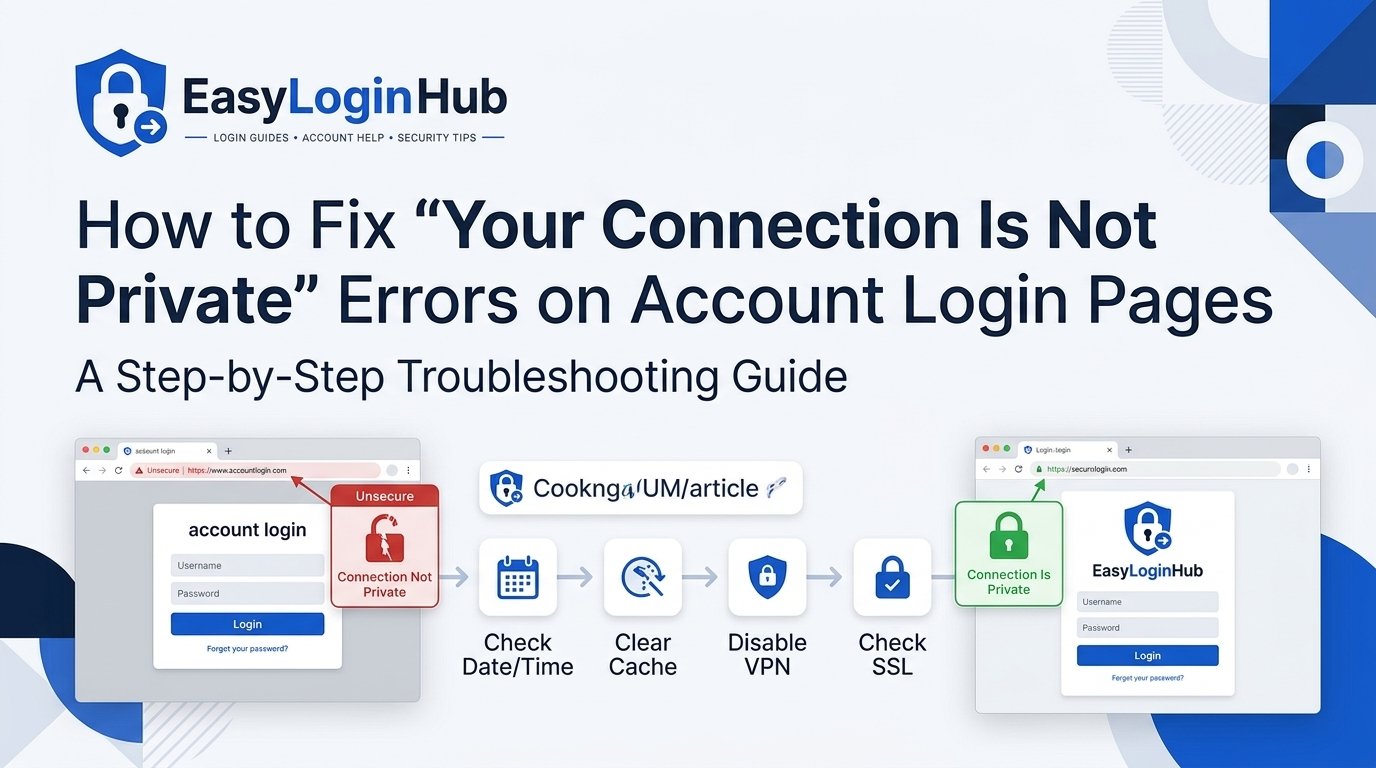
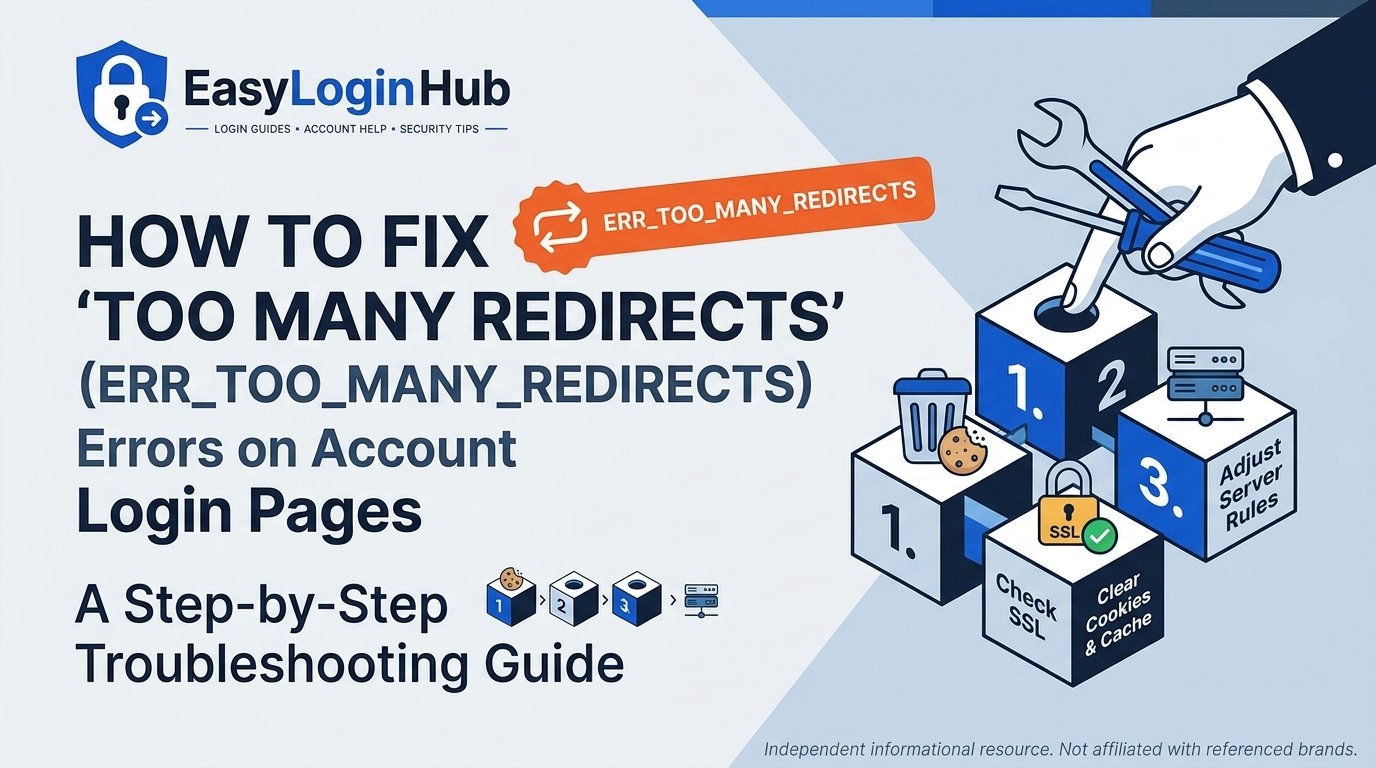
Step 2: Clear Browser Cache or Use Incognito Mode
To ensure active cookies or cached session errors do not corrupt the reset process:
- Open a private or Incognito window in your preferred web browser (Chrome, Firefox, Edge, or Safari).
- Alternatively, navigate to your browser settings and clear your browsing history, cached images, and cookies for that specific site.
Step 3: Check Your Device System Time
Ensure your computer or smartphone is configured to set its date and time automatically:
- Windows: Go to Settings > Time & Language > Date & time and toggle on Set time automatically.
- macOS: Go to System Settings > General > Date & Time and enable automatic synchronization.
- iOS/Android: Navigate to Date & Time settings and ensure Set Automatically is enabled.
Step 4: Request a Single Fresh Reset Link
Return to the platform’s official login page, initiate the password recovery process once, and submit the request. Do not click the button multiple times.
Step 5: Copy and Paste the Complete Link
When the new email arrives:
- Right-click the link (or tap and hold on mobile) and select Copy Link Address.
- Inspect the copied URL in a plain text editor or directly in your browser’s address bar to ensure the full token string is intact.
- Paste the complete address into your private/incognito browser window and press Enter.
Step 6: Temporarily Adjust Security Scanner Settings (For Corporate Accounts)
If you are trying to reset a password for a work or school account using an enterprise email address, security scanners might be pre-clicking your links. Try these workarounds:
- Request the reset link while connected to an external network or mobile hotspot if your company allows it.
- Contact your IT administrator to temporarily whitelist the domain or adjust automated link-inspection rules.
Proactive Strategies for Seamless Account Access
Resolving link expiration issues solves the immediate problem, but adopting better digital habits can prevent similar login hurdles in the future. Following a comprehensive Login Guide or standard account maintenance checklist can help protect your profile:
- Use a Reliable Password Manager: Password managers securely store complex passwords and autofill them accurately, significantly reducing the need to trigger password resets in the first place.
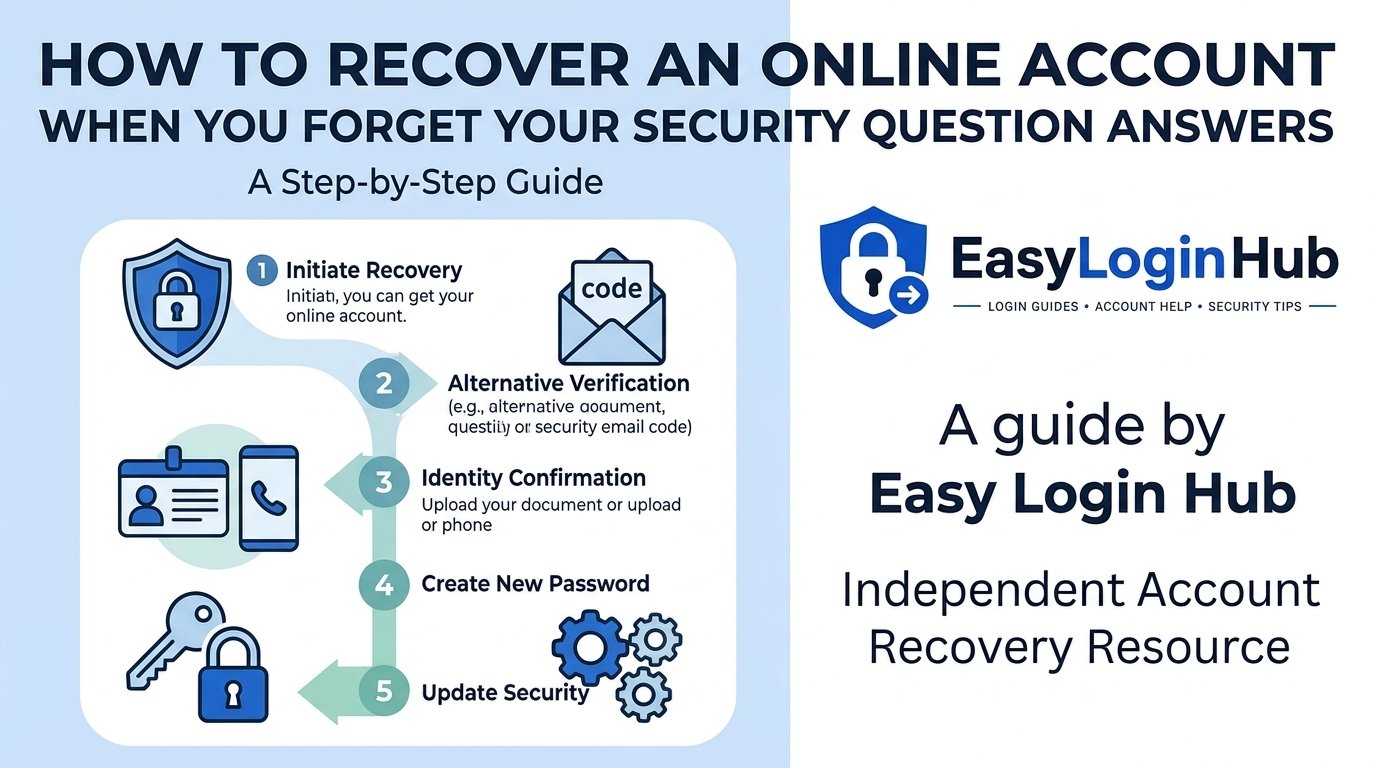
- Keep Recovery Details Updated: Ensure your secondary email address and phone number are up to date so you have multiple avenues for account recovery assistance.
- Enable Two-Factor Authentication (2FA): Adding an authenticator app or hardware security key provides a secure backup method for verifying your identity when recovering an account.
For additional step-by-step walkthroughs and platform-specific troubleshooting tips, explore our dedicated login guides available across the site.
Frequently Asked Questions (FAQ)
How long do password reset links usually remain valid?
Expiration windows vary by platform. Standard web services typically set reset link lifetimes between 15 minutes and 24 hours. High-security platforms like financial institutions or enterprise services often enforce shorter limits, expiring links within 5 to 10 minutes.
Why does a reset link say “Invalid Link” even when I click it immediately?
This usually happens if your email provider uses automated security software that scans and pre-opens links before they reach your inbox, or if you received multiple reset emails and clicked a link from an earlier message.
Can I fix an expired token error on a mobile phone?
Yes. If you encounter the error on a mobile device, copy the full URL directly from your email app, open your mobile browser in Private/Incognito mode, and paste the link into the address bar.
What should I do if none of these troubleshooting steps work?
If you continue to experience token errors after following this guide, contact the customer support team for that specific service. They can issue a manual reset link or assist with secondary identity verification.
Disclaimer: EasyLoginHub is an independent online informational resource. We provide educational guides, security tips, and general troubleshooting assistance. EasyLoginHub is not affiliated with, endorsed by, or operated by any third-party brands, websites, or services mentioned in this guide. All trademarks belong to their respective owners.