
Attempting to access your online banking, email, or social media account only to be greeted by an "Unrecognized Device" or "New Location Detected" login block can be frustrating. Security mechanisms designed to protect online accounts often flag new hardware, updated web browsers, or altered IP addresses. While these security automated protections keep unauthorized users out, they can inadvertently lock out legitimate account owners.
At Easy Login Hub, we specialize in helping users navigate digital access issues. Our comprehensive login guides simplify account navigation and security settings across major online services. In this troubleshooting guide, we break down why automated security blocks happen and provide clear steps to bypass unrecognized device warnings safely.
Why Online Platforms Flag Unrecognized Devices
Modern security systems rely on risk-based authentication models. Instead of relying solely on a password, platforms evaluate multiple contextual factors during every login attempt. When key variables change, the platform triggers an additional security check or blocks access entirely.
Common triggers for an unrecognized device login block include:
- Device Fingerprint Changes: Logging in from a newly purchased smartphone, computer, or secondary tablet that has no historical login activity associated with your account.
- Browser and Cookie Reset: Clearing your browser history, switching from Chrome to Firefox, or using Private/Incognito mode deletes session cookies that identify your browser to the service.
- IP Address and Network Modifications: Connecting through a Virtual Private Network (VPN), proxy server, public Wi-Fi network, or logging in while traveling internationally alters your IP address and geographical location profile.
- Operating System Updates: Major system updates can alter browser user agents and local storage keys, making a previously recognized computer appear brand new to security filters.
Step-by-Step Guide to Fix ‘Unrecognized Device’ Login Blocks
If you encounter a security prompt blocking your access, follow these sequential steps to troubleshoot common login problems and regain entry to your account.
Step 1: Complete Identity Verification Prompts
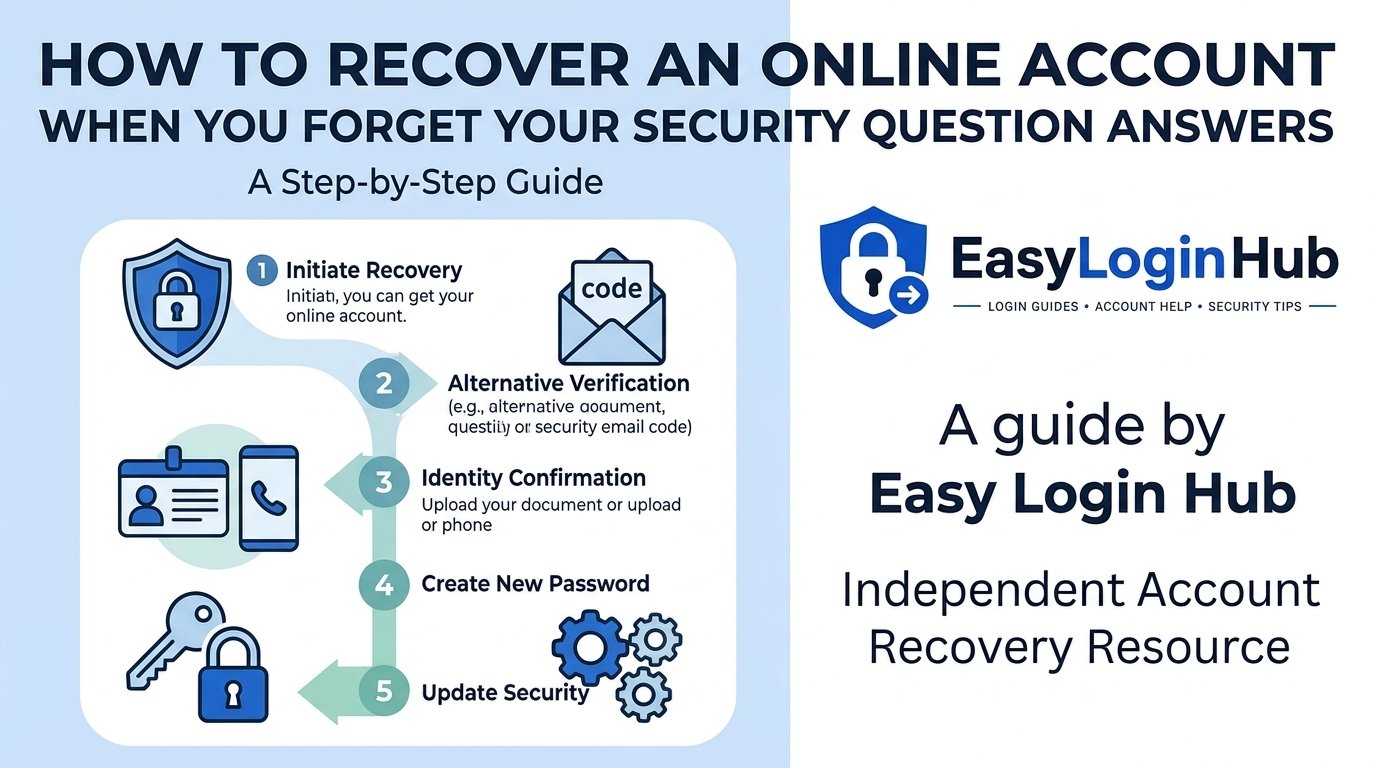
Most platforms offer an automated verification path when a login attempt occurs from a new device. Look for alternative verification options presented on the block screen:
- One-Time Passcode (OTP): Request a security code sent via SMS or email linked to your account.
- Authenticator Apps: Enter a time-sensitive code generated by Google Authenticator, Authy, or your platform’s native security app.
- Security Questions: Answer pre-configured personal security questions accurately.
- Prompt Verification: Confirm the login attempt by tapping "Yes, it’s me" on a previously authorized mobile device or tablet.
Step 2: Disable Active VPNs and Proxies
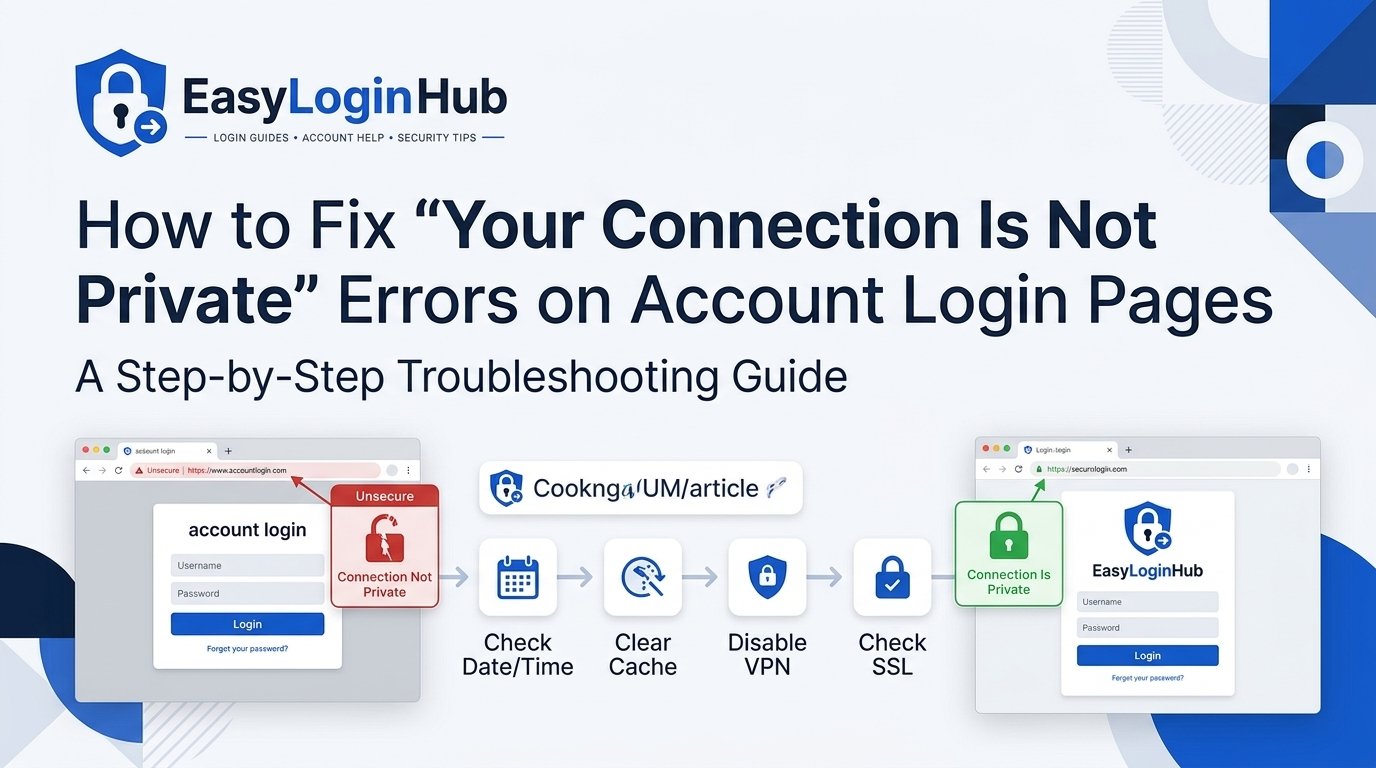
If you have an active VPN or proxy server running, your internet traffic is routed through a remote server address. Security scripts often view known VPN IP ranges as high-risk, triggering security blocks.
- Disconnect your VPN or proxy application completely.
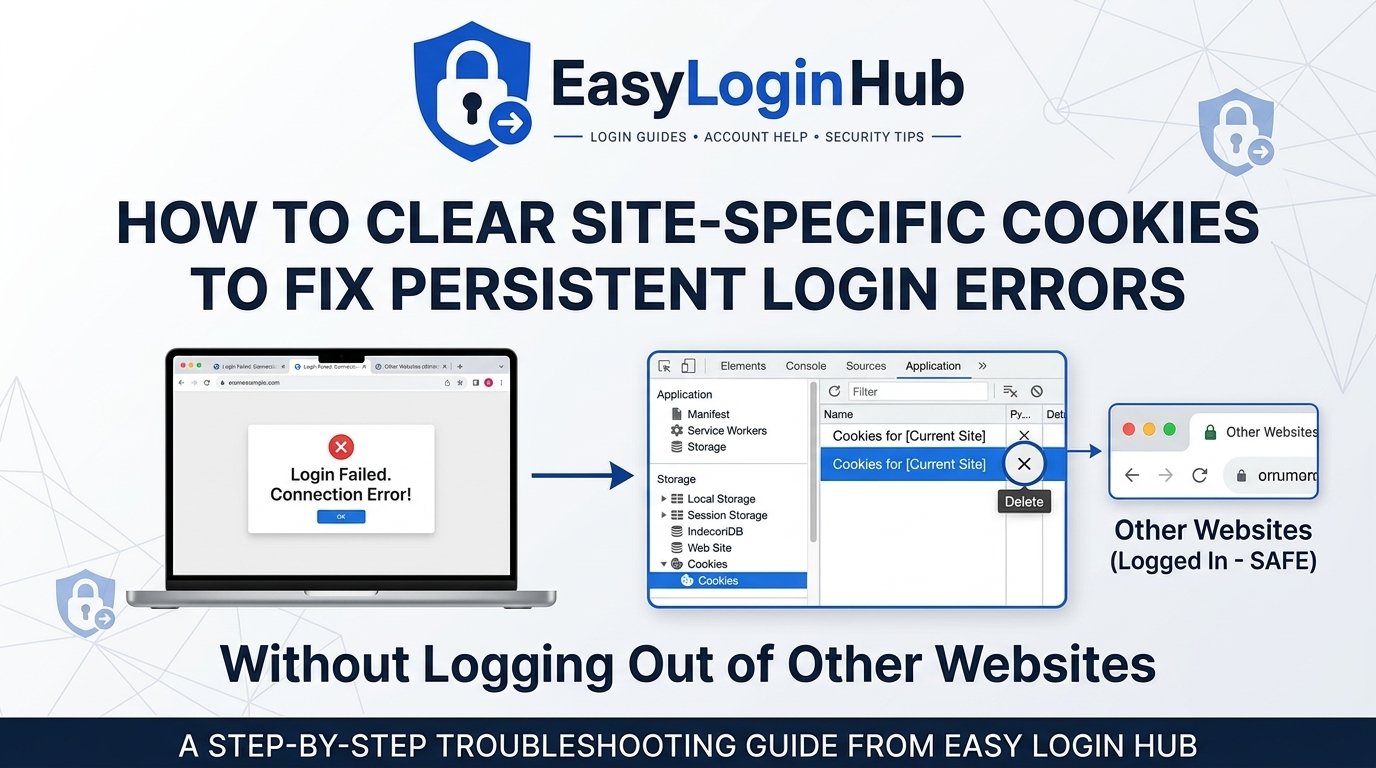
- Clear your current web browser cache and cookies for the specific site.
- Restart your web browser.
- Attempt to sign in again using your standard home or mobile network connection.
Step 3: Switch to a Known Trusted Device or Network
When locked out on a new device, returning to a previously authorized environment is often the fastest solution. Try signing in from a smartphone, laptop, or home Wi-Fi network you have used successfully in the past. Once logged in on the trusted device, navigate to the security settings menu to trust or authorize your new device manually.
Step 4: Adjust Browser Settings and Extension Controls
Certain privacy-focused browser extensions, strict ad-blockers, and anti-tracking tools block JavaScript scripts responsible for verifying device identity. To resolve technical software conflicts:
- Temporarily disable privacy and ad-blocking browser extensions.
- Ensure third-party cookies and local web storage permissions are enabled for the login domain.
- Try accessing the service using an alternative standard browser (e.g., switching to Edge, Safari, or Chrome) without custom extensions installed.
Step 5: Initiate Official Account Recovery Processes
If you no longer have access to the original verification phone number or secondary email address, standard automated verification will not work. In these cases, you must request formal account recovery assistance directly through the official platform’s recovery portal. This typically involves submitting identity verification documents or completing account verification forms manually evaluated by platform security teams.
Best Practices to Prevent Unrecognized Device Blocks in the Future
Proactive account management minimizes future service interruptions. Adopting these proactive security habits keeps your accounts accessible across all your personal devices:
- Keep Emergency Recovery Contacts Updated: Always maintain updated backup email addresses and phone numbers in your profile settings.
- Save Trusted Devices Carefully: When logging in from personal, non-shared devices, check the option to "Remember this device" or "Trust this browser" to store persistent security tokens.
- Generate and Store Backup Recovery Codes: Most account platforms providing Two-Factor Authentication (2FA) offer printable or downloadable single-use recovery codes. Keep these codes stored securely offline.
- Use a Centralized Password Manager: Password managers help manage multi-factor authentication credentials securely across multiple operating systems.
Understanding Independent Support vs. Official Brand Support
When searching for a practical Login Guide, it is critical to distinguish between independent educational resources and official account support.
Disclaimer: EasyLoginHub is an independent informational website providing login guides, security advice, and technical troubleshooting tips. EasyLoginHub is not affiliated with, authorized by, or operated by any third-party brands, platforms, or service providers mentioned in our tutorials. We do not process account recoveries, reset passwords, or access user account data directly.
If automated troubleshooting fails and you require direct intervention, always access the official help center or customer support department of the specific platform you are using. Never share sensitive account credentials, passwords, or personal identification codes on third-party forums or unofficial support websites.
Frequently Asked Questions (FAQs)
Why does my account say ‘unrecognized device’ when I am using my usual laptop?
This frequently happens if you recently cleared your browser cookies, updated your browser version, installed privacy extensions, or connected through a new network or VPN. The system treats the modified browser environment as a new, unknown device.
How long do unrecognized device security blocks last?
Temporary security blocks usually last anywhere from 15 minutes to 24 hours, depending on the service provider’s automated security policies. If you suspect an automated lock, waiting a short period before retrying can prevent permanent account lockout.
Can I disable unrecognized device warnings entirely?
Most major online platforms do not allow users to disable unrecognized device checks completely, as this is a fundamental security protection against automated credential stuffing and unauthorized access. However, adding devices to your platform’s "Trusted Devices" list reduces repeated verification requests.