
Disclaimer: EasyLoginHub is an independent informational resource. We are not affiliated, associated, authorized, endorsed by, or in any way officially connected with Apple Inc. or any third-party brands or services mentioned in this article. All product names, logos, and brands are property of their respective owners.
Features like “Sign in with Apple” have simplified online authentication by allowing users to create accounts on apps and websites with a single tap. To enhance user privacy, Apple offers the option to “Hide My Email.” When enabled, Apple generates a randomized, unique email address ending in @privaterelay.appleid.com that forwards communications directly to your real email inbox.
While this system offers excellent privacy protection, it can occasionally introduce complications. Users often encounter Sign in with Apple login errors, missed password reset messages, or difficulty logging into accounts from non-Apple devices. At Easy Login Hub, we provide comprehensive login guides to help you troubleshoot common login problems and navigate account access seamlessly.
In this guide, we will break down why these authentication errors occur, how to locate your hidden relay address, and the exact steps to recover accounts tied to private relay emails.
Understanding How Apple’s Hidden Email Relay Works
When you select “Sign in with Apple” while signing up for a new service, Apple gives you two choices:
- Share My Email: Shares your actual Apple ID email address with the app or website.
- Hide My Email: Generates a unique, private relay address (e.g.,
k8x9z2p4mn@privaterelay.appleid.com).
If you choose to hide your email, the app vendor only sees that generated private relay address. Any emails sent to that handle—such as verification codes, order confirmations, or password reset links—are processed through Apple’s secure server and forwarded to the primary email address linked to your Apple ID.
Problems arise when email forwarding gets toggled off, access to the Apple ID changes, or when you attempt to log into the third-party app on a platform where “Sign in with Apple” isn’t natively supported (such as a Windows PC or an Android phone).
Common ‘Sign in with Apple’ Login Errors and Causes
Before jumping into solutions, it is helpful to identify the exact issue you are facing. Common login problems related to Sign in with Apple include:
- Infinite Loading or Pop-Up Blocker Errors: Clicking the “Sign in with Apple” button produces a blank screen or times out.
- Disabled Email Forwarding: Password reset requests or log-in verification codes never arrive in your primary inbox.
- Unrecognized Credentials on Non-Apple Devices: You try typing your standard Apple ID email into a third-party app on Android or Windows, but the app says no account exists.
- Revoked App Permissions: You accidentally removed the app from your Apple ID list of managed apps, breaking the single-sign-on connection.
How to Find Your Hidden Private Relay Email Address
To fix login issues or request support from an app developer, you must first know the exact private relay address associated with your account.
On an iPhone or iPad
- Open the Settings app.
- Tap your Name / Apple ID banner at the top.
- Select Sign-In & Security (or Password & Security on older iOS versions).
- Tap Apps Using Apple ID (or Sign in with Apple).
- Select the specific app or website from the list.
- Under This App Received, you will see the unique email address ending in
@privaterelay.appleid.com.
On a Mac
- Click the Apple Menu in the top-left corner and choose System Settings.
- Click your Name / Apple ID.
- Select Sign-In & Security.
- Click on Sign in with Apple to view and select the specific app.
Via a Web Browser
- Navigate to appleid.apple.com and sign in.
- Go to the Sign-in and Security section.
- Click on Sign in with Apple.
- Choose the app to review your assigned private relay email.
Step-by-Step Troubleshooting for Sign in with Apple Errors
1. Check Email Forwarding Status
If you aren’t receiving account activation codes or password reset links from a third-party app, email forwarding might be disabled.
- Navigate to your Apple ID settings using the steps outlined above.
- Select the application giving you trouble.
- Locate the Forward To setting.
- Ensure the toggle switch is turned ON and pointed to your correct primary email address.
2. Resolve Browser and Session Conflicts
If the Sign in with Apple prompt fails on a web browser:
- Disable Pop-up Blockers: Apple’s authentication requires a pop-up window or redirect. Ensure your browser isn’t blocking pop-ups from the website.
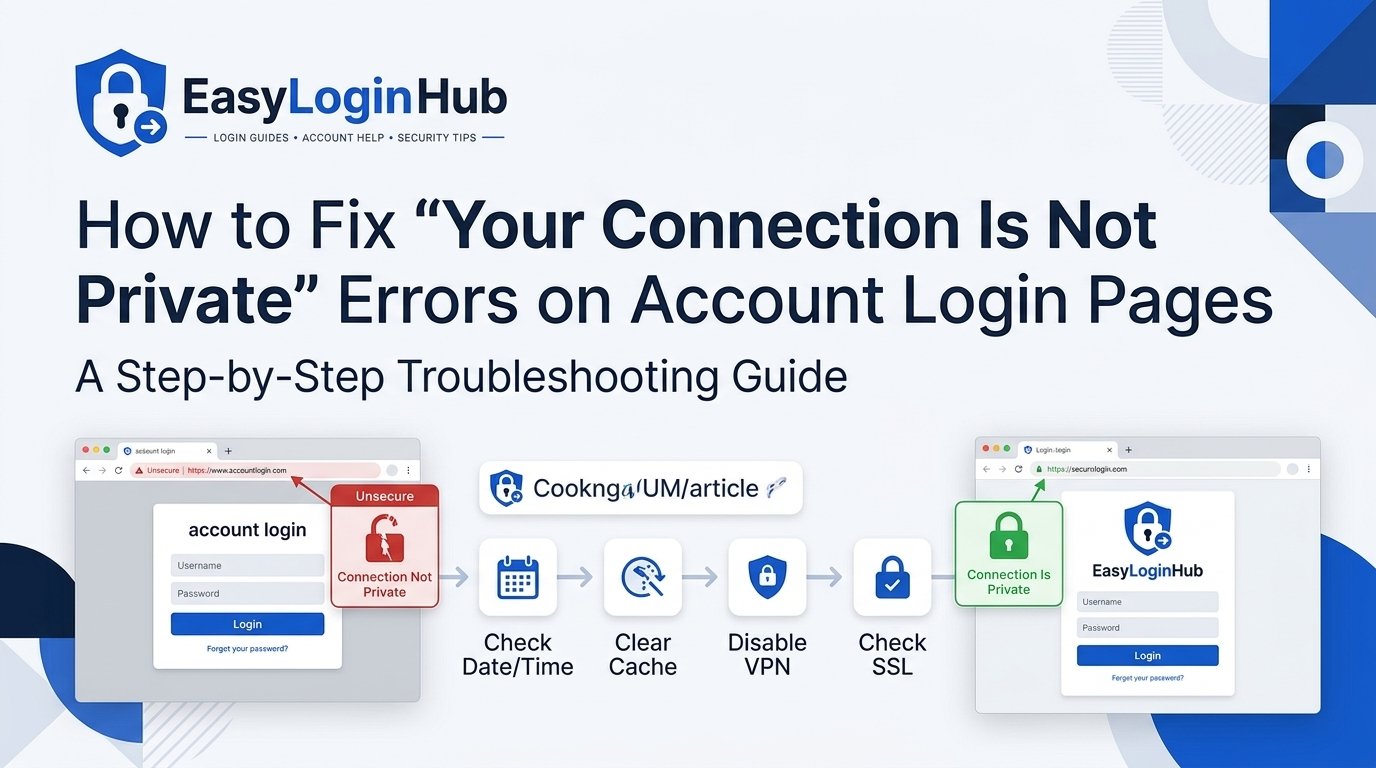
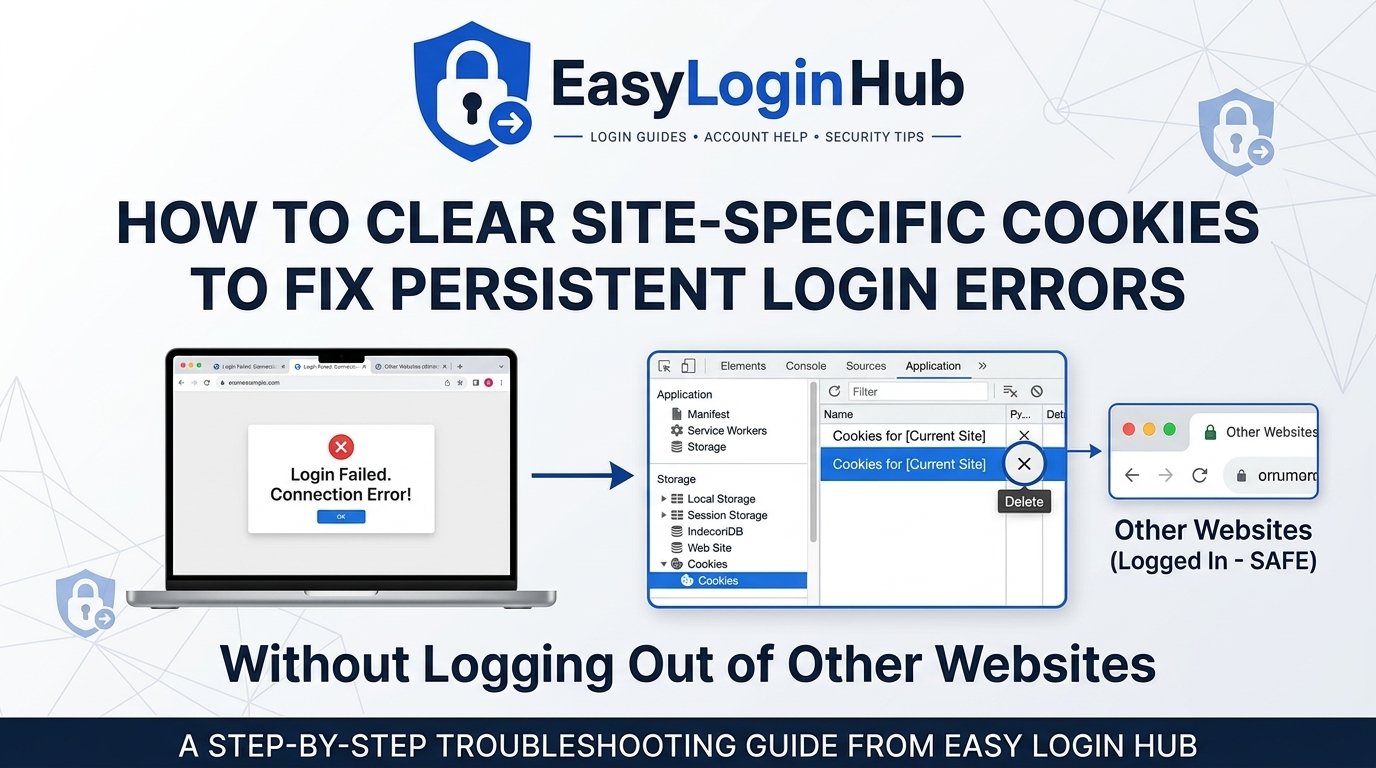
- Clear Browser Cache and Cookies: Outdated session cookies can corrupt authentication tokens. Clear your browser data or attempt the login using an Incognito / Private Window.
- Check Two-Factor Authentication (2FA): Sign in with Apple requires active two-factor authentication on your Apple ID. Ensure your trusted Apple device is nearby to receive the 6-digit verification code.
3. Fix Accidental Revocation of App Access
If you deleted the app from your Apple ID “Apps Using Apple ID” menu, the third-party app may no longer accept your login attempt.
- Open the app or website where you are attempting to log in.
- Select Sign in with Apple again.
- When prompted, grant permission to authorize the service using your existing Apple ID. In many cases, Apple will reconnect you to the existing account matching that internal user ID.
How to Recover Accounts Tied to Hidden Email Relay Addresses
If you are trying to log into a service on a non-Apple platform (like Windows, Linux, or Android) or need to contact the developer for account recovery assistance, follow these strategies.
Method 1: Log in Using the Relay Email Address Directly
Many users do not realize that the @privaterelay.appleid.com address acts as your actual username for that specific platform. If you are on an Android device or PC where the “Sign in with Apple” button is missing:
- Locate your unique relay address via your Apple ID settings.
- Enter that full address (e.g.,
xyz123@privaterelay.appleid.com) into the standard Email field on the third-party app. - Click Forgot Password?.
- Check your actual email inbox for the password reset message forwarded by Apple’s relay system.
- Create a unique standalone password for that app. You can now log in using the relay email address and your new password on any device.
Method 2: Contact App Support with Your Relay Identifier
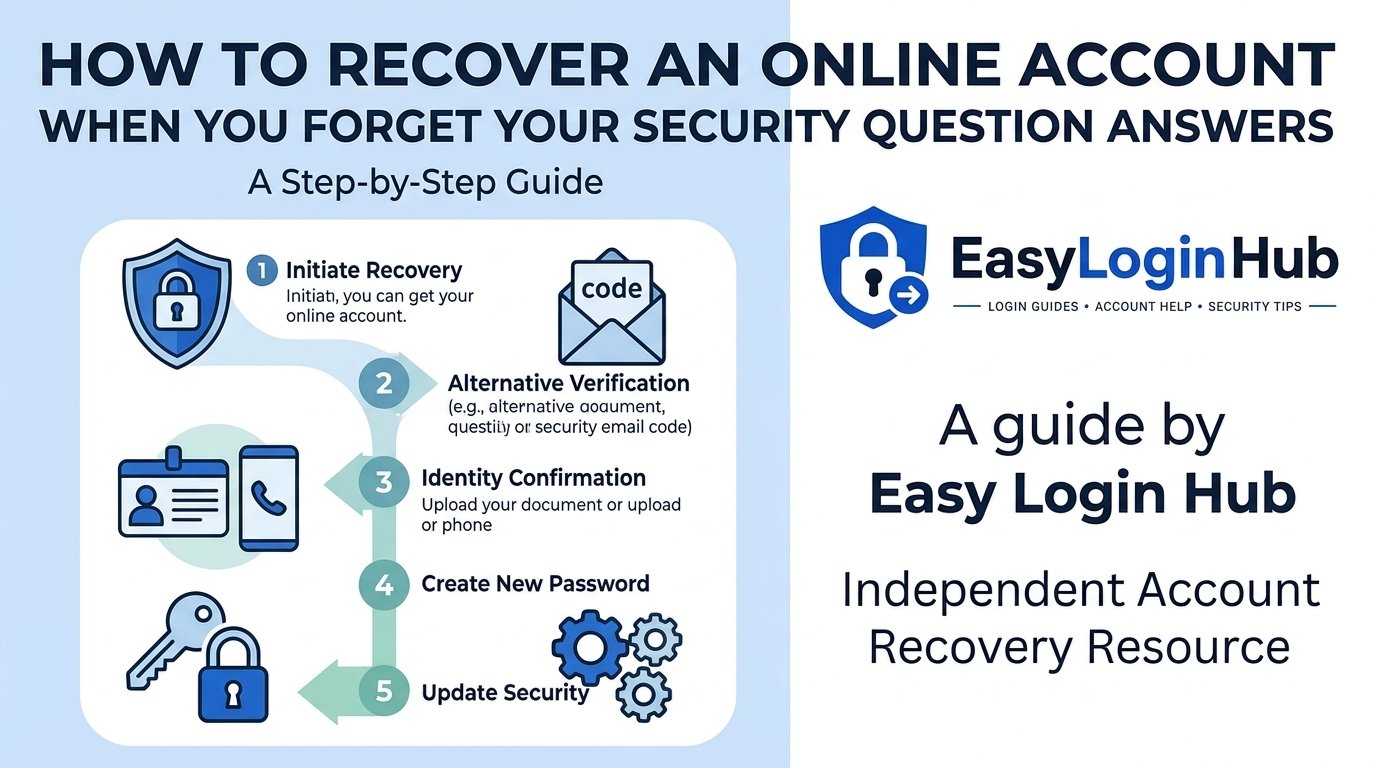
If you cannot receive emails or if the third-party app does not allow password resets for private relay users, you will need to reach out to the app’s support team directly.
When submitting a support ticket, provide them with:
- Your full
@privaterelay.appleid.comemail address. - Your full name (or the name assigned to the app during initial sign-up).
- Proof of past transactions, receipts, or account activity to prove ownership.
- A request to manually update your registered account email to your real, permanent email address.
Best Practices for Managing Apple Relay Accounts
To avoid losing access to important accounts in the future, consider implementing these account management practices:
- Document Your Relay Addresses: Keep a record or use a secure password manager to note which private relay address corresponds to each app or website.
- Update Account Details Promptly: If you plan to stop using an Apple ID or Apple device entirely, migrate your third-party accounts to standard email addresses before closing the Apple account.
- Keep Apple ID Security Information Current: Always ensure your recovery phone number and primary email address on your Apple ID are kept up to date.
For more step-by-step instructions, account setup guides, and system troubleshooting, explore our collection of expert Login Guide resources on Easy Login Hub.
Frequently Asked Questions (FAQ)
What happens if I turn off email forwarding for an app?
If you turn off email forwarding in your Apple ID settings, any emails sent by that app (including security codes, password reset requests, and notifications) will bounce and will not reach your inbox. You can turn forwarding back on at any time through your Apple ID settings.
Can I change my ‘Hide My Email’ address for an existing account?
No, Apple assigns a specific private relay address per app upon account creation. Once generated, that specific address is tied to that third-party service. To change it, you must update your contact email directly inside the third-party app’s profile settings.
What should I do if I permanently stop using my Apple ID?
Before closing or deleting an Apple ID, log into every third-party account created with “Sign in with Apple.” Change your registered email address on those services to a personal, non-relay email address and establish separate passwords. Otherwise, you risk permanently losing access to those accounts.