
Few digital frustrations match the experience of trying to log into an online banking app, social media platform, or workplace account, only to sit waiting indefinitely for a text message that never arrives. One-Time Passwords (OTPs) sent via SMS are among the most common security mechanisms used for two-factor authentication (2FA) and identity verification. However, when an SMS OTP fails to deliver, your entire login workflow comes to a screeching halt.
At Easy Login Hub, we understand how critical seamless access is for your daily routine. Whether you are attempting to access a personal account or completing an urgent transaction, this comprehensive guide explains why SMS verification codes get delayed or blocked and provides actionable steps to troubleshoot common login problems effectively.
Disclaimer: EasyLoginHub is an independent informational platform. We provide educational tutorials, troubleshooting advice, and step-by-step account access guides. EasyLoginHub is not affiliated with, endorsed by, or operated by any third-party brand, cellular network provider, or online service mentioned in this article.
Why SMS OTP Verification Codes Fail to Deliver
Before jumping into solutions, it helps to understand the underlying infrastructure behind SMS OTP transmission. Unlike standard peer-to-peer text messages sent between friends, business OTPs are typically sent via Application-to-Person (A2P) messaging networks through specialized gateway providers.
A failure anywhere along this path can prevent the code from reaching your phone screen. Common causes include:
- Network Congestion or Poor Signal: Temporary cellular tower overload or weak signal strength can stall incoming SMS traffic.
- Shortcode Blocking: Verification codes are usually sent from short 5- or 6-digit numbers known as shortcodes. Certain mobile plans or spam filters automatically block messages from shortcode sources.
- Incorrect Phone Number Formatting: Missing country codes or minor typographical errors during account setup or login attempts prevent proper delivery.
- Spam and Content Filters: On-device security software or native messaging filters may misidentify verification texts as unsolicited spam.
- Carrier Routing and Gateway Delays: Server overloads on the service provider’s end or intermediary routing hiccups across international telecommunication carriers can cause severe delivery delays.
- Roaming Restrictions: Traveling abroad without an active international roaming plan often prevents A2P shortcodes from reaching mobile devices.
Step-by-Step SMS OTP Troubleshooting Checklist
If you are currently waiting for a verification code, work through these proven troubleshooting steps sequentially to resolve the delivery issue.
1. Check Signal and Toggle Airplane Mode
A weak or disrupted cellular connection is the most frequent culprit behind missing text messages. Inspect your phone’s status bar to verify cellular network connectivity.
- Turn on Airplane Mode (Flight Mode) on your mobile device.
- Wait approximately 10 to 15 seconds.
- Turn Airplane Mode back off to force your device to reconnect to the nearest mobile tower.
2. Verify Phone Number Details and Country Codes
If you are prompted to input your phone number prior to receiving a code, ensure the formatting matches global telecommunication standards. Always double-check:
- That you selected the correct international country code (e.g., +1 for the USA/Canada, +44 for the UK).
- That you did not accidentally include an unnecessary leading zero if required by your region’s international formatting rules.
- That there are no typos in the digits entered.
3. Search Your Spam and Blocked Folders
Modern Android devices (via Messages by Google) and iOS devices (via Apple iMessage settings) feature automated spam protection that occasionally misfilters legitimate authentication texts.
- On Android: Open your default Messaging app, tap your profile icon or three-dot menu, and navigate to Spam & blocked.
- On iOS: Open Settings > Messages, scroll down to Message Filtering, and check if Filter Unknown Senders or junk folders contain your code.
4. Check Shortcode Blocking and Carrier Services
Some mobile network operators disable premium SMS or shortcode reception by default on prepaid accounts or budget plans. Furthermore, if you previously replied “STOP” to a marketing text from a service, you may have inadvertently unsubscribed from all operational messages sent from that gateway.
- Contact your cellular carrier’s customer support to verify whether shortcode or A2P text messaging is enabled on your line.
- Ensure your mobile account does not have an active billing pause or service block.
5. Restart Your Smartphone
A simple system reboot clears temporary cache files, refreshes background messaging services, and resets local network radio interfaces. Turn your phone off completely, wait 30 seconds, power it back on, and request a fresh OTP code.
6. Clear Messaging App Cache (Android Devices)
On Android platforms, temporary data corruption in the messaging app can prevent incoming SMS notifications from popping up correctly.
- Open device Settings > Apps.
- Select your default Messages app.
- Tap Storage & Cache and choose Clear Cache.
Alternative Verification and Login Solutions
When SMS delivery remains unresponsive despite basic troubleshooting, utilizing alternative authentication options can help you regain account access without further delay.
If you regularly consult a Login Guide on our platform, you will notice that most major web portals provide multiple verification pathways. Consider trying the following alternatives:
- Voice Call Verification: Many platforms offer a “Call Me Instead” option. Selecting this option triggers an automated phone call that reads the verification code aloud. Voice calls frequently bypass shortcode SMS routing obstacles.
- Email Verification: Check if the service allows sending a backup OTP to your registered email address instead of your phone number.
- Authenticator Applications: Moving away from SMS authentication in favor of Time-based One-Time Password (TOTP) applications—such as Google Authenticator, Microsoft Authenticator, or Authy—eliminates mobile network dependency entirely. These apps generate secure codes locally on your device every 30 seconds without requiring a cellular signal.
- Backup Emergency Codes: When enabling two-factor authentication initially, most services issue a list of one-time recovery codes. Entering one of these backup keys allows immediate access if your mobile phone is unavailable.
What to Do If You Are Still Locked Out
If none of the immediate fixes resolve your issue and alternative login routes are unavailable, you may need formal account recovery assistance. Follow these practical recommendations:
- Avoid Repeated Spam Requests: Do not click “Resend Code” dozens of times rapidly. Sending excessive requests often triggers temporary automated rate limits, locking your account for 24 hours due to anti-abuse policies.
- Wait Out Cooldown Periods: Allow 15 to 30 minutes between attempt requests to let queued system messages clear.
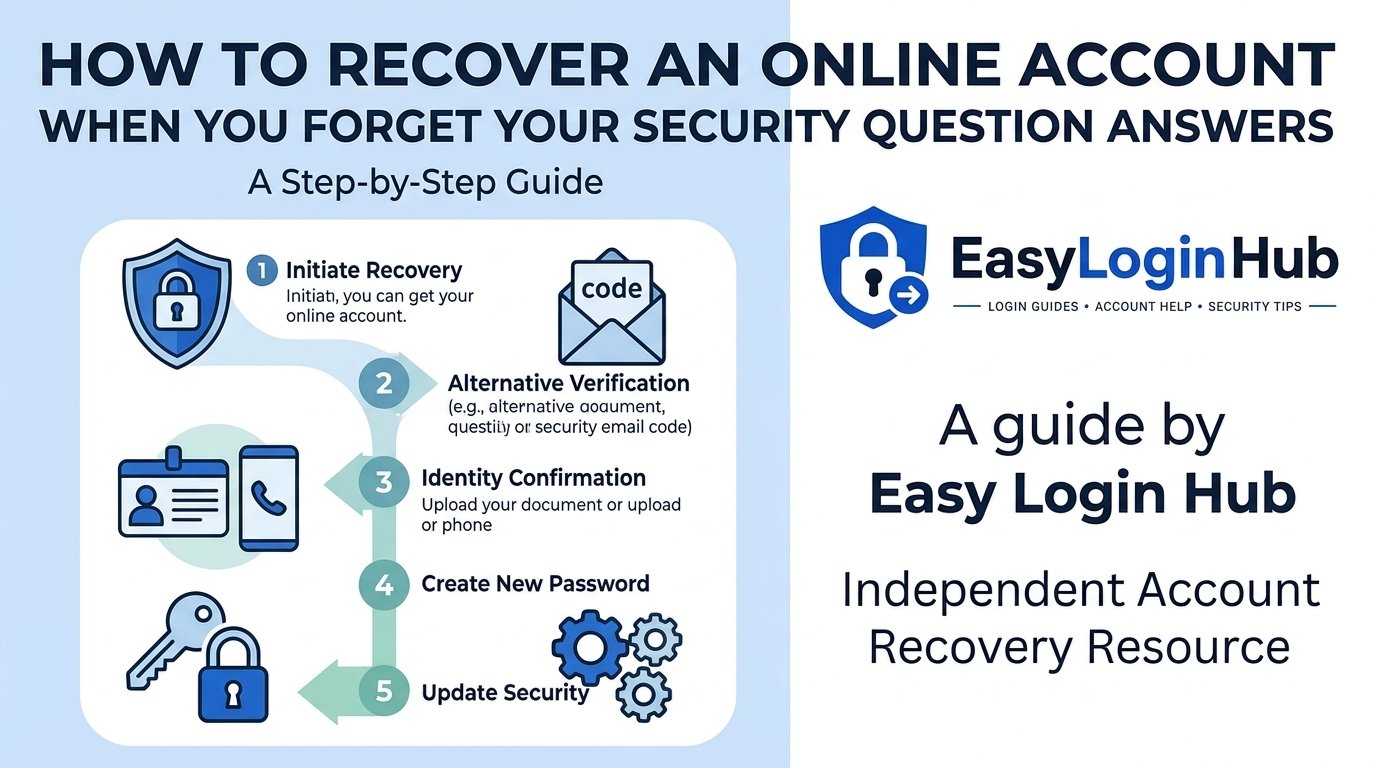
- Initiate Account Recovery Procedures: Visit the official support center of the service provider you are trying to reach. Most major platforms feature official recovery forms allowing you to verify identity via alternate email addresses, government ID submission, or trusted contacts.
Long-Term Strategies for Reliable Mobile Login Security
While SMS remains a popular multi-factor authentication standard due to its ubiquity, technical industry standards increasingly favor more resilient alternatives. To minimize future login interruptions, consider implementing these best practices:
- Upgrade to TOTP Apps or Hardware Keys: Switch your accounts from SMS-based 2FA to authenticator apps or FIDO2 hardware security keys (like YubiKeys).
- Keep Recovery Information Updated: Ensure secondary emails and mobile numbers are always current in your account settings before changing network providers or traveling.
- Store Backup Codes Securely: Keep printed or encrypted digital copies of initial recovery codes generated during 2FA setup.
Explore More Login Guides at Easy Login Hub
Navigating digital account access shouldn’t be stressful. Browse our vast collection of login guides on Easy Login Hub to find step-by-step walkthroughs, portal access instructions, and effective solutions for managing your online profiles securely.